Decide what you want from the appointment
Some people book a head spa because they enjoy having their hair washed and their scalp massaged. Others want a quiet break from a busy week. These are reasonable reasons to choose a relaxation service. You do not need to believe it will change hair density or treat a scalp disorder to enjoy the experience.
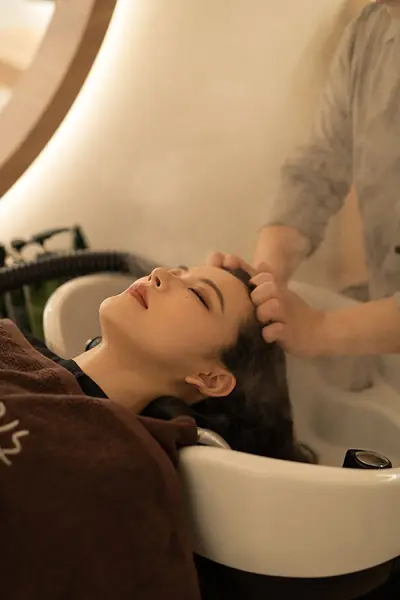
Skinholic describes its Japanese Head Spa around cleansing, buildup removal, massage and hydration. Before booking, confirm the session length, included steps and any drying or styling arrangements. If you prefer a quieter appointment or have a sensitivity to scents, mention that in advance rather than assuming every session follows the same format.
What the session may involve
A visit generally begins with a discussion of comfort, scalp condition and products. Cleansing can remove oil and styling residue, and conditioner can improve how the hair feels. Massage may feel relaxing, but it should not pull painfully, scratch the skin or leave you feeling that you must tolerate discomfort for a better result.
Ask about water temperature, head and neck support and pressure. Let the practitioner know about neck problems or positioning needs. You can ask to adjust a step, take a break or stop. Consent to a relaxation treatment does not mean consenting to every product or technique.
Share the details that affect your comfort
Tell the practitioner about fragrance allergies, sensitive skin, scalp medicines, recent colouring or chemical services, extensions and previous reactions. A product described as premium, natural or nourishing can still irritate. If you are unsure about an ingredient, ask to see the product information before it is applied.
Do not assume that more cleansing or exfoliation is better. An irritated scalp may respond poorly to scrubbing, heat or repeated product application. Broken skin, sores, pain or significant inflammation are reasons to postpone and seek appropriate advice.
Separate cosmetic effects from medical claims
Hair can feel softer and look shinier after washing and conditioning. Surface residue may be reduced. These effects do not demonstrate that dormant follicles have restarted, that damaged hair has been permanently repaired or that new hair will grow thicker.
A relaxing massage is also different from treating a stress disorder or establishing the cause of shedding. Unexplained or progressive thinning, sudden hair loss or bald patches should be medically assessed. Do not replace prescribed care with repeated spa visits or assume a cosmetic scalp package is the necessary next step.
Flakes and itching can arise from dandruff, dermatitis, psoriasis, a contact reaction or another condition. A head spa cannot diagnose the cause. Persistent symptoms deserve medical or pharmacist advice as appropriate, particularly if there is redness, pain, discharge or hair loss.
After the visit
Use a home washing routine that suits your hair and scalp. Notice how products feel rather than chasing a fixed spa schedule. If a new product causes irritation, stop using it and seek advice when needed. There is no universal requirement for a monthly head spa.
If you are considering another scalp service, ask what distinct goal it serves. DERIVE involves scalp microneedling with a serum, and KeraLase uses laser preparation with a topical serum. Those are separate procedures with their own evidence and risk questions, not simply more intensive versions of a relaxing wash.
You can judge a head-spa visit by whether it feels comfortable and delivers the experience you wanted. Clear information about products, price and session details is more useful than promises about detoxification or guaranteed hair growth.
Further reading: AAD guidance on the many causes of hair loss.
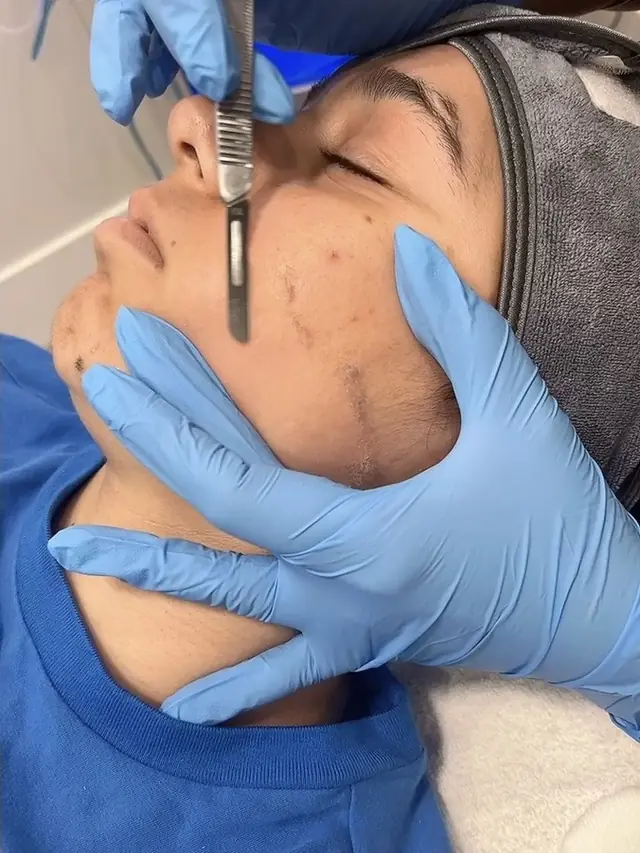 Which facial is right for your skin?Skinholic offers several facials in Surrey, and they are not interchangeable: each is built around a different starting point. Here is what each one……
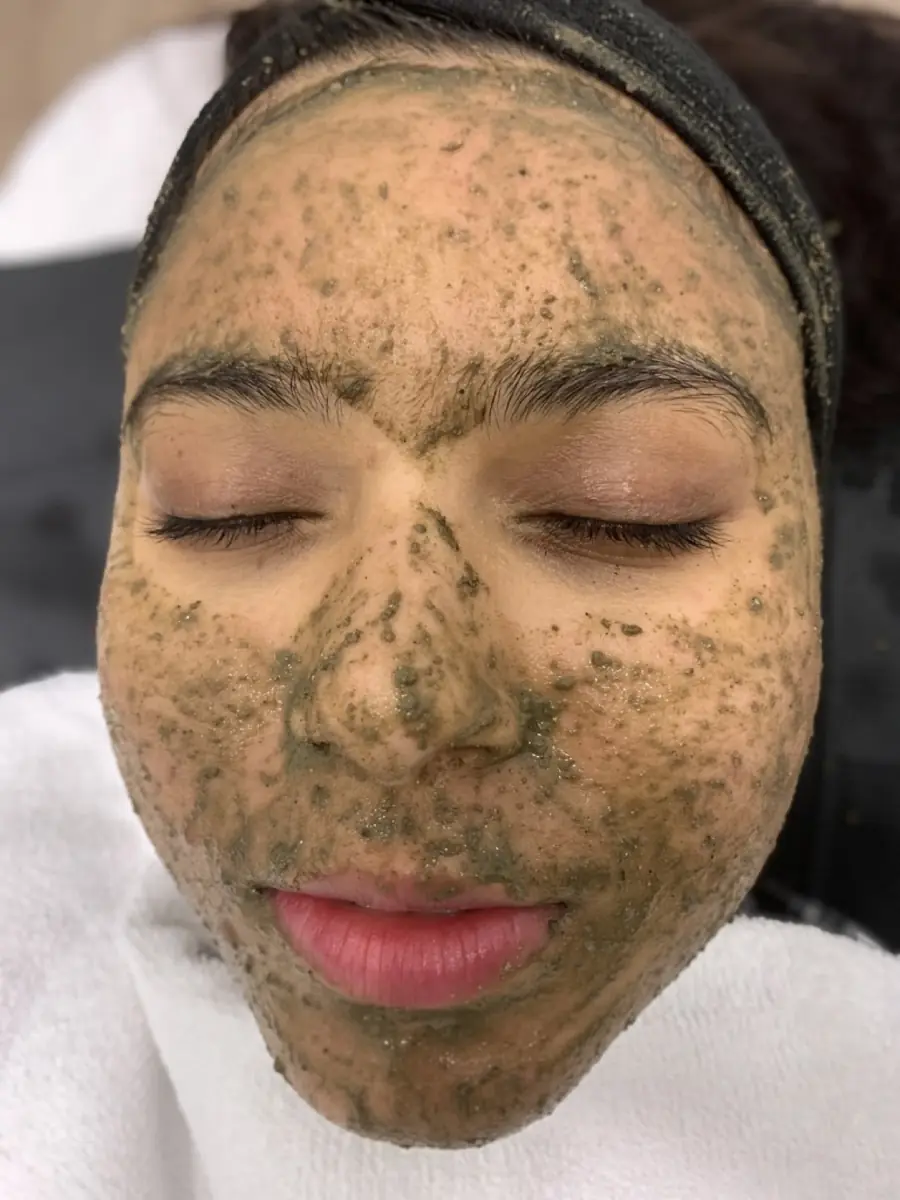 Which peel is right for you?A peel is not one treatment. Skinholic runs several at the Surrey clinic, from medical-grade depigmentation protocols to gentler resurfacing options.……
 Which laser treatment do you need?Lasers are matched to a job (hair, pigment, ink, texture) and to your skin. These are the laser treatments offered at our Surrey clinic, and what……