Opening hours
- Mon – Fri
- 10:00 am – 7:00 pm
- Saturday
- 10:00 am – 6:00 pm
- Sunday
- Closed
Facials & Facial Treatments
Dermaplaning Brightening Facials Acne Facials Anti-Aging Facials Buccal Therapy Hadado & Kobido Facial Sculpting Non-Invasive Structural Skin Tightening Skin Resurfacing Microneedling w/ ExosomesLaser Hair Removal & Laser Treatments
Nd:YAG & Alexandrite LHR Pico Laser Rejuvenation Nd:YAG & Alexandrite Laser Rejuvenation Hair Blanching Skin Tag Removal Tattoo RemovalAcne & Congestion
Breakouts and blemish-prone skin Blackheads and clogged pores Oily, shiny skin Dark spots after breakouts Enlarged poresPigmentation & Uneven Tone
Dark spots and sun spots Stubborn brown patches (melasma-type pigmentation) Uneven skin tone and blotchiness Dull, tired-looking skin Sun-damaged, weathered-looking skin Dark marks on the body from bites, scratches or old blemishesAging & Skin Laxity
Fine lines and early wrinkles Sagging jawline and early jowls Loose neck skin Loss of firmness and crepey skin Facial puffiness and fluid retention Jaw tension and a tight, tired-looking face Loose skin on the tummy, arms or thighsTexture & Scarring
Acne scars (pitted or indented) Rough, uneven skin texture Raised or thick scars Stretch marks Peach fuzz and flaky surface buildupDryness, Sensitivity & Redness
Dry, dehydrated, tight-feeling skin Visible facial veins and broken capillariesSkin concern · Pigmentation & Uneven Tone
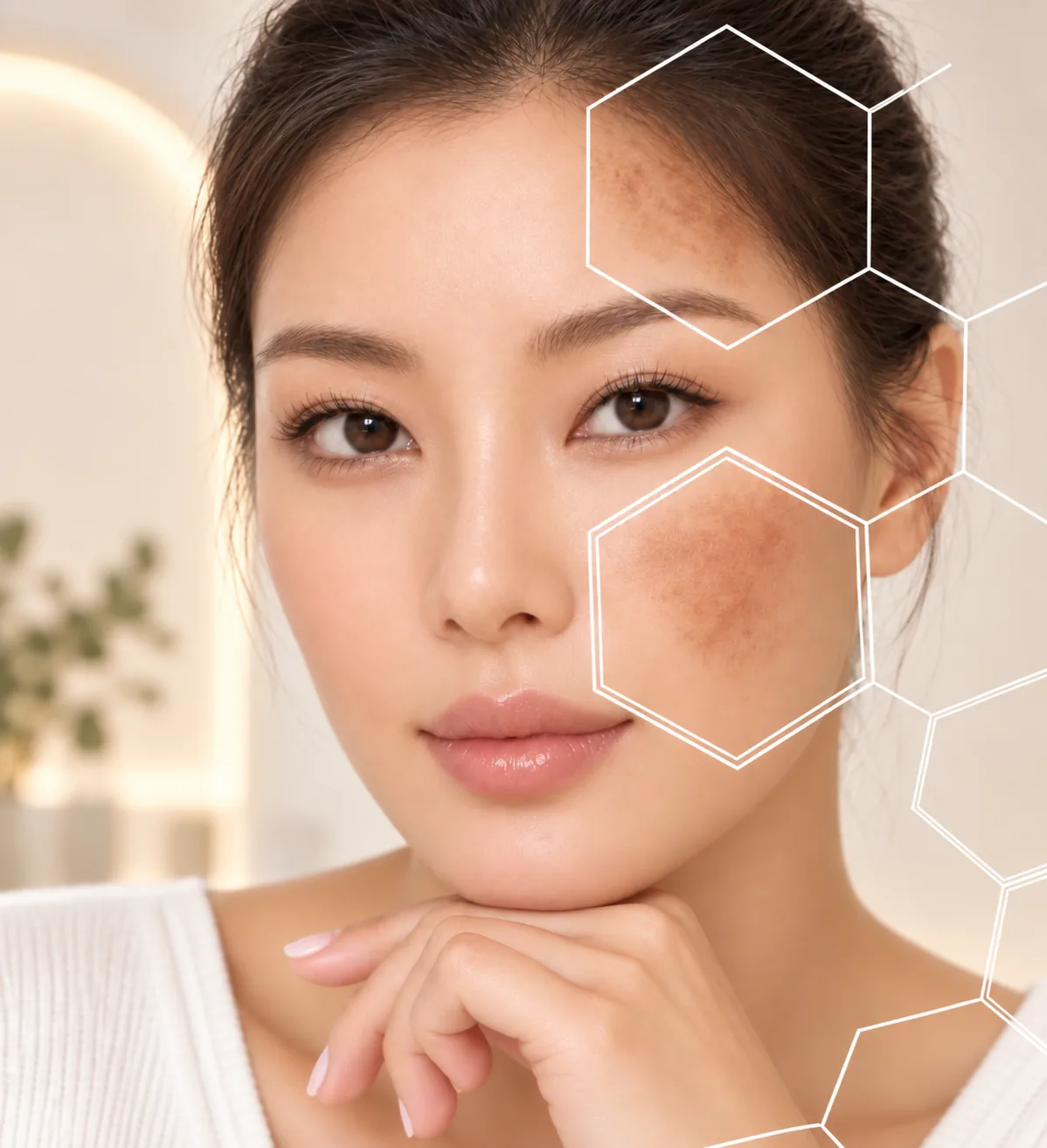
Dark marks on the body are brown spots left on the legs, arms or back after a bite, scratch or blemish heals. Skinholic in Surrey and Aldergrove assesses them at a free consultation; depending on your skin, a lightening course, peels or Pico Laser Rejuvenation may help soften their appearance.
Treatments that may help
Skin tone and how much of the area is involved decide which of these, if any, belongs in your plan, and neither can be judged without the marks in front of a practitioner.
Skin LighteningSkin Lightening is a customized course for the legs, arms or back that works on the whole area where bites, scratches or body breakouts have left scattered marks, not spot by spot. Its steps, which may include peeling, brightening serums or a laser pass, are chosen for your skin type at the consultation, so it is usually the first option raised for many small marks across a wide area.Recommended starting point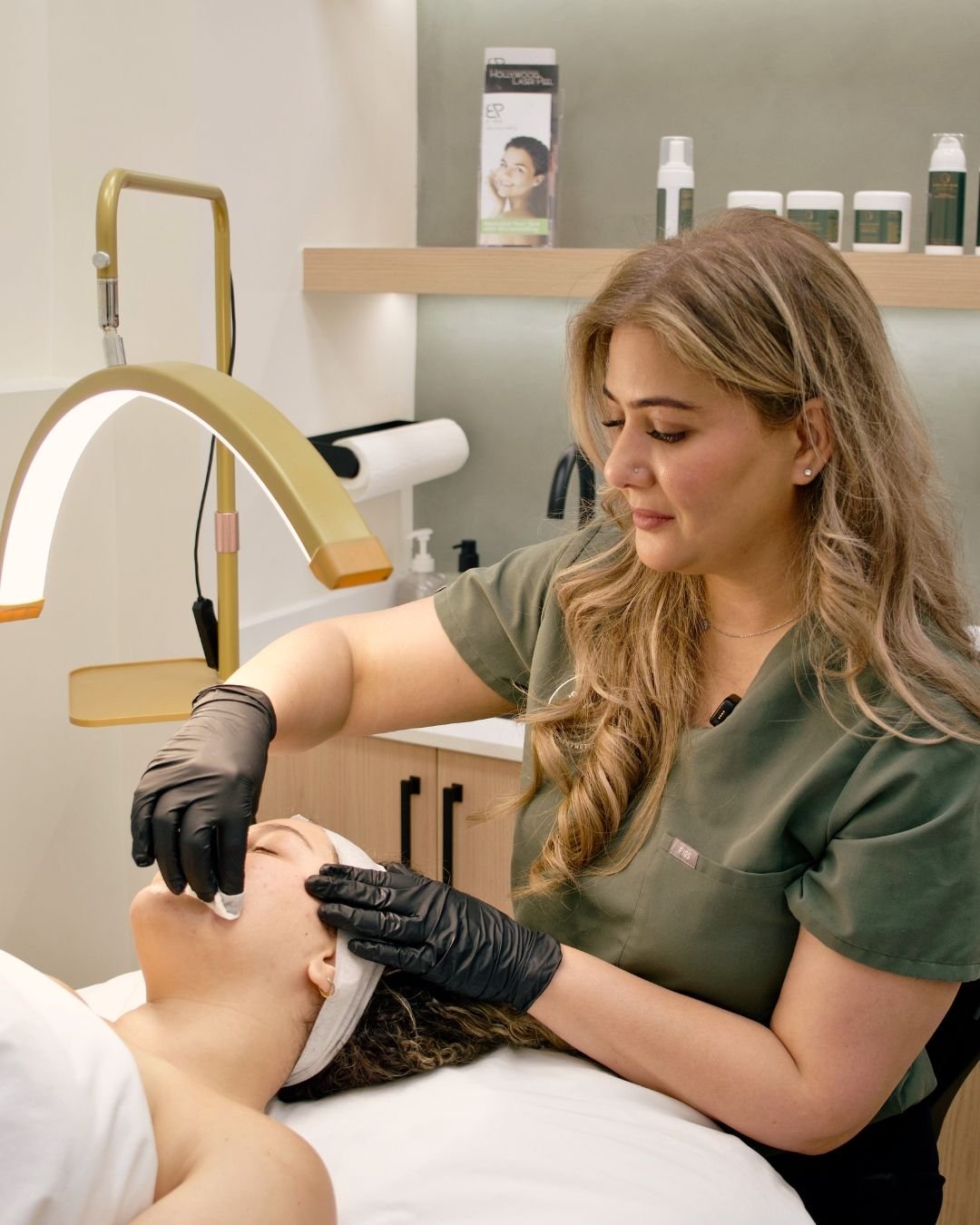 Chemical PeelsChemical Peels are applied to the body at graded depths chosen for the area being treated. Over a series, a peel is designed to lift away surface cells holding excess colour, so the marks may gradually look softer. Your practitioner may suggest peels when the surrounding skin also looks rough or uneven, since a peel may address texture at the same time as colour.
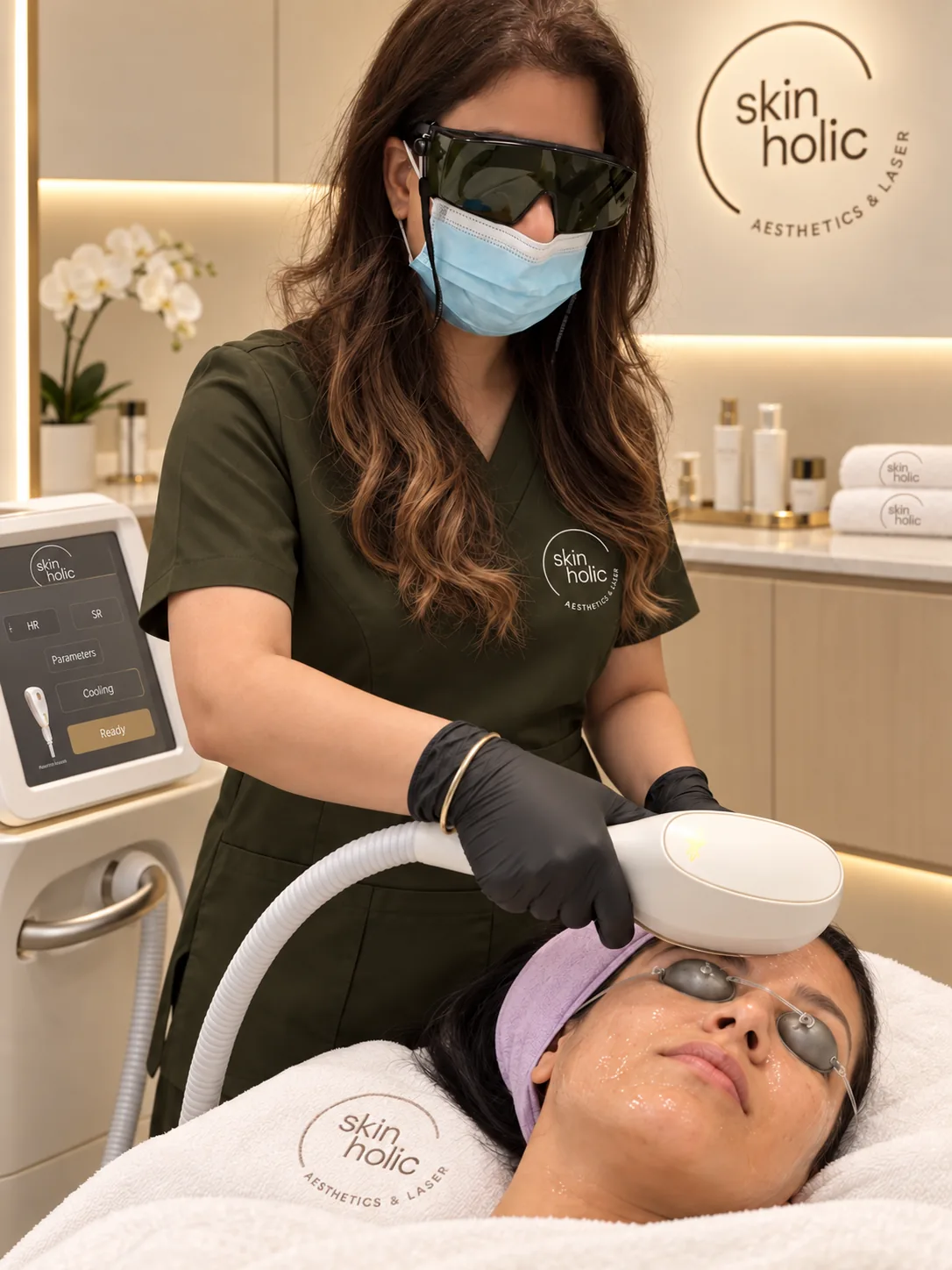 Pico Laser RejuvenationPico Laser Rejuvenation delivers very short picosecond pulses aimed at the colour within an individual mark rather than the whole limb, which may suit a handful of darker, well-defined spots on the legs or arms that have held their colour for a long time. As the most intensive option here, it is usually reserved for those few stubborn spots when the concern is body marks.