Skin concern · Texture & Scarring

Rough, Uneven Skin Texture

Rough, uneven skin texture often reflects dead-cell buildup, congestion and uneven cell turnover. Exfoliating and resurfacing treatments are designed to renew the surface so skin may feel smoother and makeup may sit more evenly. Skinholic confirms suitable options at a free in-person consultation in Surrey or Aldergrove.
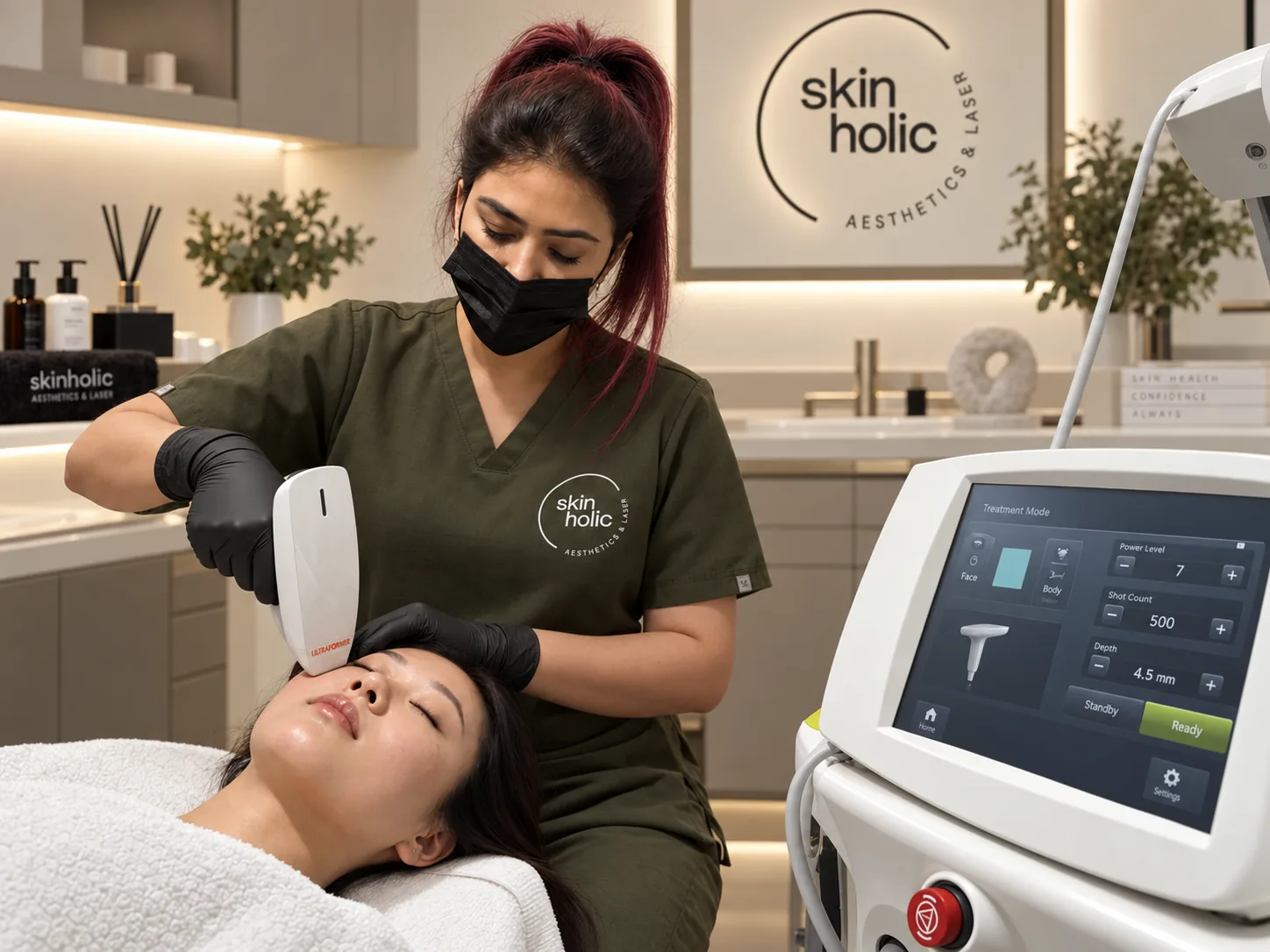
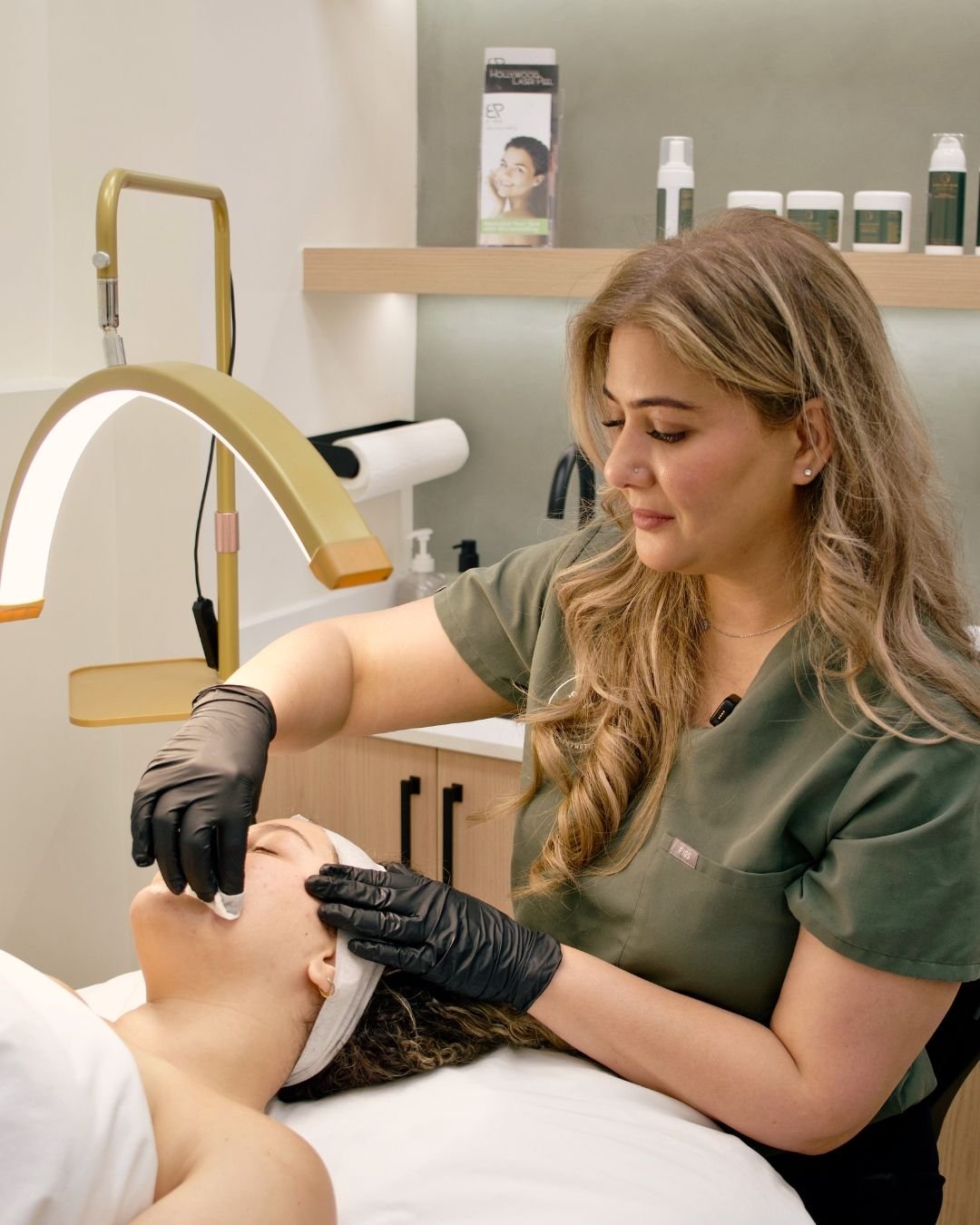
Masked practitioner holds a handpiece to a reclining woman's face beside a touchscreen console during skin resurfacing

Rough, uneven skin texture is skin that feels bumpy or gritty rather than smooth and looks patchy or slightly dull under makeup, even when there are no obvious spots to point to. It is a cosmetic surface concern rather than a condition, and it tends to send people searching when the surface never looks quite polished and no amount of scrubbing changes how it actually feels.

Skinholic Aesthetics & Laser assesses texture in person at a free consultation at either our Surrey clinic or our Aldergrove clinic in Langley Township before recommending anything. Which options make sense depends on what is sitting on the surface, how your skin responds and what you want bare skin and makeup to look like.

Why does rough, uneven texture feel so hard to smooth on your own?

Perhaps you notice it most when a facialist or makeup artist runs a hand across your face and you catch yourself wondering what they can feel. Foundation might look fine at the sink and then, by lunchtime, settle into a faint mottled pattern that no amount of blending fixes. Or maybe a drawer of scrubs, exfoliating pads and glow-promising serums has come and gone, each one helping for a day or two before your skin drifted back to the same slightly rough finish.

None of this means you are doing something wrong. Every skin is different, and the same rough finish can come from a different mix of things in different people, so a routine that worked for someone else is no real guide to what will work for you. The scrub or serum that gave your friend or a favourite creator glass-smooth skin may do very little for yours, and something gentler, or more targeted, may suit you better.

That is why we start by looking rather than guessing. At your free consultation, a Skinholic practitioner examines your skin in person, asks what has and has not helped and what you are hoping for, and only then suggests a personalized plan. Smoothing texture is gradual work: improvement tends to build over a series of sessions and steady home care, not overnight, and we would rather set that expectation honestly at the start.

What does rough, uneven skin texture typically look and feel like?

These are common cosmetic appearances rather than a checklist for self-diagnosis. Some people notice one or two of them; others recognize most.

  • A fine, sandpaper-like roughness across the cheeks that is easier to feel with a fingertip than to see in the mirror
  • Tiny, colourless or skin-toned bumps that show up in side-lighting, a car visor mirror or a front-facing camera outdoors, yet are hard to spot face-on
  • Serums that pill or a moisturizer that seems to sit on top of the skin instead of sinking in
  • A dull, slightly flat finish in daylight even when the skin is not visibly dry or flaky
  • Patches that feel rougher than the surrounding skin, often along the jawline, beside the nose or near the hairline
  • Rough areas that feel drier or tighter through the winter or after weeks of indoor heating

See a physician first. If you notice a mole or spot that is changing, bleeding or new; persistent inflammation, pain or swelling; or rough patches that are scaly, itchy, red-rimmed or simply will not settle, please see your family doctor or a dermatologist first. Those are things a physician should assess, and Skinholic will refer you if anything looks atypical during your assessment rather than exfoliating over it.

What might contribute to rough, uneven skin texture?

Texture rarely has a single cause. These are commonly cited cosmetic contributors.

  • Dead surface cells that shed unevenly and accumulate in a thin, uneven layer
  • Congestion in the pores from oil, product residue and everyday debris
  • Dryness or dehydration, which can leave the outer layer less supple and slower to shed
  • Fine vellus hair (peach fuzz) that traps dead cells and adds to a fuzzy, uneven finish
  • Sun exposure over time, which is often associated with a coarser, less even surface
  • Natural ageing, as the pace of cell renewal tends to slow and the surface refreshes less quickly
  • A routine that is either too harsh or changes too often, which can leave the surface unsettled
  • Leftover marks and unevenness from past breakouts

A Skinholic practitioner reviews these factors with you at your free consultation, because the mix is different for everyone and it shapes which options make sense. Daily broad-spectrum sunscreen supports whatever you choose, and it is the one habit we suggest to nearly every client.

Treatments that may help

Which Skinholic treatments may help with rough, uneven skin texture?

Which of these fits your skin is settled at your free consultation. These options are listed from the gentlest, maintenance-style choices to the more intensive ones, and your practitioner may suggest one, a sequence or a combination.
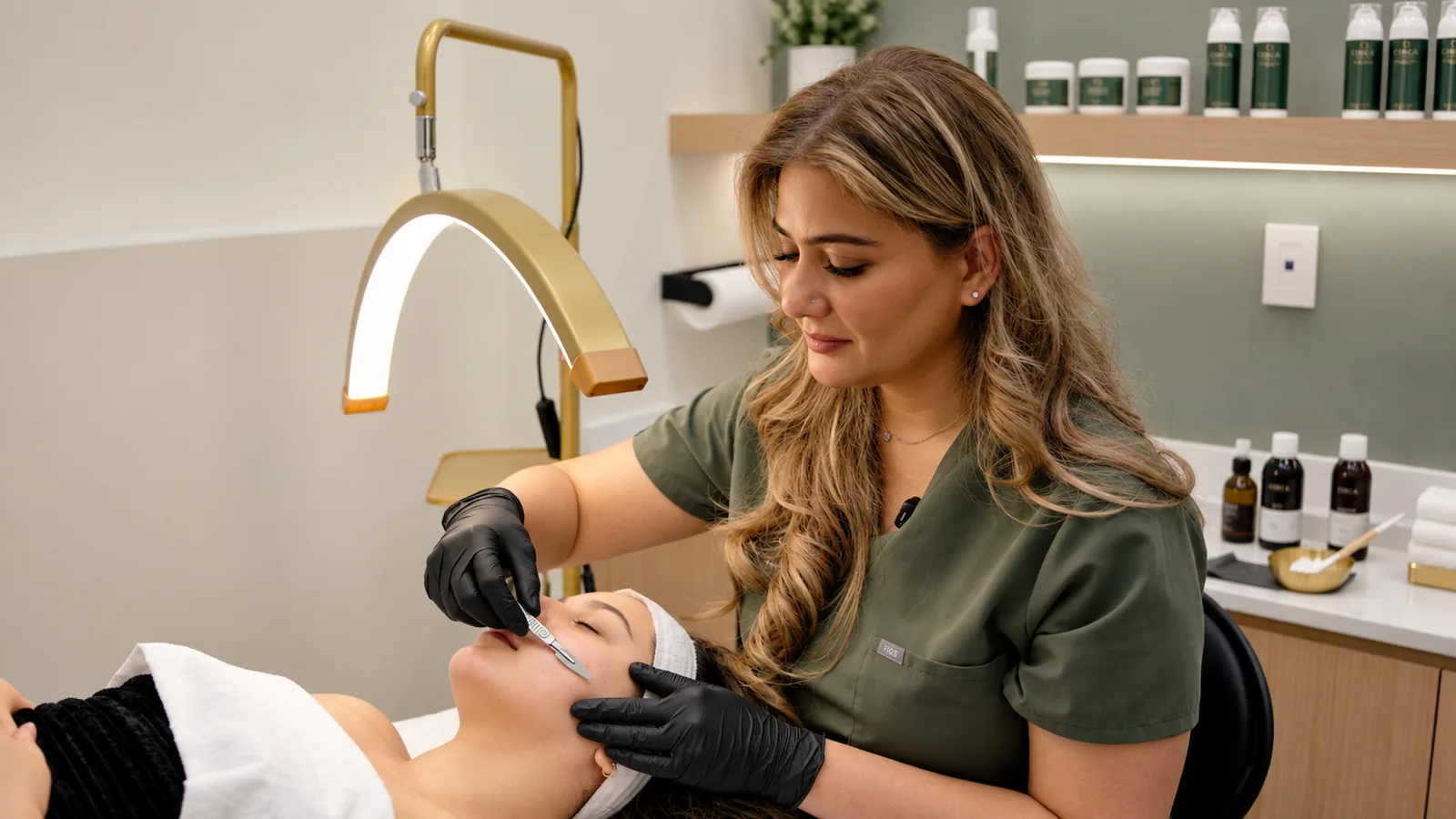
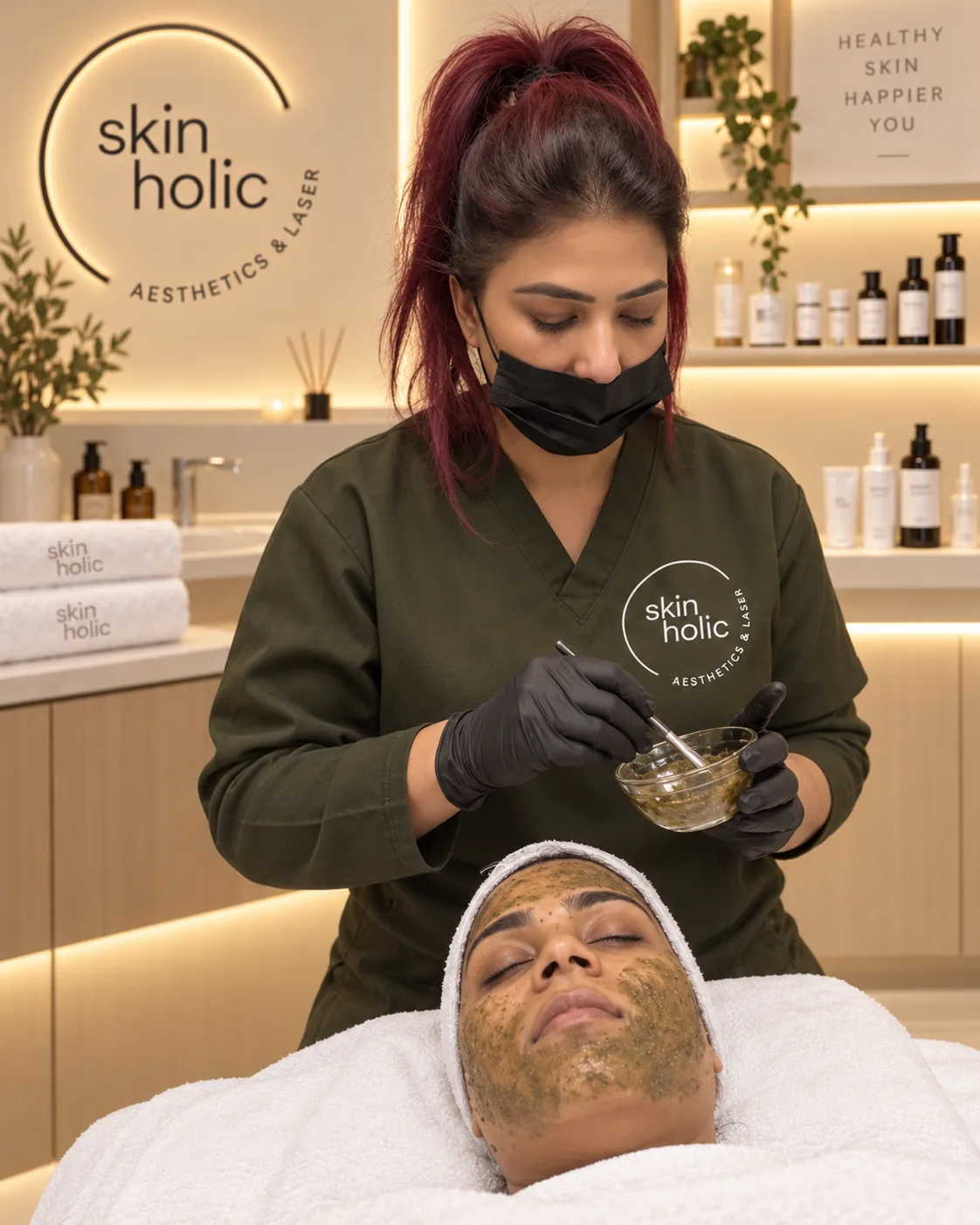
DermaplaningDermaplaning is a manual exfoliation that lifts away dead surface cells and fine vellus hair in a single session. It is designed to leave skin feeling noticeably smoother straight away and to help serums and moisturizers absorb more evenly, which is often the first change clients notice. It tends to suit clients who want a gentle, low-downtime starting point or a maintenance option between other treatments.Recommended starting pointZena Algae PeelThe Zena Algae Peel is a marine-derived, non-acid peel that uses fine micro-spicules to encourage the surface to renew. It may help with gritty texture, congestion and dullness and is considered a sensitive-skin-friendly form of resurfacing. Your practitioner may suggest it ahead of an acid peel when your skin reacts easily or when a softer introduction to resurfacing makes sense.Chemical PeelsChemical Peels are professional-strength peels applied at graded depths to lift away built-up surface cells and encourage fresher skin to come through. They may help improve the appearance of rough texture, uneven tone and lingering post-breakout marks at the same time. A practitioner may suggest a peel series when texture and tone are both a concern, choosing the depth to match your skin and tolerance.Skin ResurfacingSkin Resurfacing uses laser or energy-based technology to refine the surface layer and stimulate renewal from beneath it. It is the most intensive option here and may help with texture that has not responded to exfoliation alone, along with pores, fine lines and mild scarring. Your practitioner may suggest it once gentler steps have been tried, or as the core of a plan for more established texture.
Not sure which option fits?

A free in-person assessment is where every plan starts.

Some clients combine approaches over time, for example a peel series followed by resurfacing, or dermaplaning as maintenance between sessions, and your practitioner sequences them so each step supports the next. See the full treatment menu at the treatment menu.

Free consultation • Surrey & Aldergrove

What can you expect when you come in for rough, uneven skin texture?

Your first step is a free consultation at our Surrey clinic (9332 120 St) or our Aldergrove clinic on Aldergrove Town Centre Drive in Langley Township. Before anything is recommended, a practitioner looks closely at the areas that bother you, checks whether the roughness seems to be surface buildup, congestion, dryness or something a physician should see first, and asks about past treatments and any reactions. If you are new to the clinic, first-visit guide explains how to prepare for that visit.

From there, your plan is personalized. Depending on your skin, the area and your goals, that may be a single treatment, a sequence that moves from gentler to more intensive steps, or ongoing maintenance to keep the surface smooth. Where your skin is sensitive or a laser-based option is being considered, a patch test or a gentler first step may be suggested before committing to a series.

Most cosmetic texture treatments work over a series of sessions with time between them, and your practitioner explains prep and aftercare for whatever is chosen. Downtime varies: some options have little to no downtime, while others may involve temporary redness, dryness or light flaking for a few days. All of this is discussed before you decide, and results build gradually rather than all at once; see results gallery for examples of what clients have seen, keeping in mind that individual results vary.

Is a consultation the right next step for you?

If you are unsure whether texture is worth treating, or which direction to take, the free consultation is the decision tool. It is in person, it is available at both the Surrey and Aldergrove clinics, and there is no obligation to book anything afterwards.

During the visit a practitioner assesses your skin, talks through your history, goals and lifestyle, and reviews which options may suit you and how they might be sequenced. You can ask anything, including the questions that feel awkward to type into a search bar.

One honest caveat: changing moles, unexplained lesions, persistent inflammation or pain, or any medical question should go to a physician first, whether that is your family doctor or a dermatologist. Skinholic refers you when something looks atypical rather than treating over it.

Cost depends on the treatment, the area being treated, the number of sessions, how the plan is customized, the practitioner's assessment and your individual goals, and is confirmed at your free consultation. Payment options are outlined at financing options. Questions before you visit are welcome at contact us, or you can Start Your Skinholic Journey at book a free consultation.

What to bring or think about before your visit

  • The products you use now, including any exfoliants or scrubs
  • Previous treatments and how your skin reacted to them
  • What bothers you most about your texture
  • Medications or skin conditions to mention so your practitioner can advise or refer
  • A photo or two showing how the texture changes with lighting or makeup

Good to know

Frequently asked questions about rough, uneven skin texture.

Often, yes. Rough texture is usually a surface concern, so exfoliating and resurfacing treatments that renew the outer layer may help the skin feel smoother and look more even under makeup. How much improvement you see depends on what is contributing to your texture and how your skin responds, so it is assessed in person before anything is suggested.

Dermaplaning, the Zena Algae Peel, Chemical Peels and Skin Resurfacing are the treatments most often discussed for texture at Skinholic. They range from gentle, low-downtime exfoliation to more intensive renewal, and the full menu is at the treatment menu. Which one suits you, or whether a sequence of them makes more sense, depends on your skin and what your practitioner sees at your free consultation.

They do different jobs. Dermaplaning physically lifts away dead cells and fine hair with little downtime, while a peel works chemically and may reach unevenness that a blade cannot. Some clients alternate them; others suit one more than the other because of sensitivity or skin tone. See our article “Dermaplaning or a chemical peel?” for a fuller comparison, and let your practitioner confirm the fit for your skin.

Treatment choice and intensity are adjusted to your skin tone and sensitivity. Non-acid and manual options are often the starting point for reactive skin, while peel depth and any laser-based settings are chosen with deeper complexions in mind. A test patch on a small area may be recommended before a full session. That matching is done in person at our Surrey or Aldergrove clinic, not from a photo, which is why the assessment comes before any plan.

That depends on which option you choose. Dermaplaning and gentler peels usually mean little more than some pinkness that settles the same day, while deeper peels and resurfacing can bring a few days of dryness and flaking as the surface renews. Comfort is also discussed in advance, with numbing where appropriate. Your practitioner walks you through what to expect for your specific plan before you decide anything.

That depends on your assessment. Manual exfoliation may show a difference after a single visit, while peel series and resurfacing tend to build results over several sessions with time between them. The number, spacing and whether maintenance is worthwhile afterwards all depend on how your skin and the treated area respond, so the plan is set at your free consultation rather than quoted here.

Cost depends on which treatment is chosen, the area being treated, how many sessions are planned, how the plan is customized, the practitioner's assessment and your individual goals. Rather than list numbers that may not apply to you, we confirm the cost at your free consultation once the plan is clear, with no obligation. If spreading the cost would help, payment options are explained at our financing page.

Book with your family doctor or a dermatologist before booking with us. Patches that flake, itch, look inflamed around the edges or hurt, and anything that keeps returning no matter what you use, call for a physician's assessment rather than exfoliation. Skinholic does not diagnose or treat medical skin conditions, and if something looks atypical during your consultation we will point you to a physician before any treatment is considered.

Ready when you are

Ready to talk through rough texture with someone who will actually look at your skin?

Free consultation, in person, personalized plan, no obligation, at either clinic.

Start Your Skinholic Journey

First visit? See what to expect on our new-client page.

Call now Start Your Skinholic Journey