Opening hours
- Mon – Fri
- 10:00 am – 7:00 pm
- Saturday
- 10:00 am – 6:00 pm
- Sunday
- Closed
Facials & Facial Treatments
Dermaplaning Brightening Facials Acne Facials Anti-Aging Facials Buccal Therapy Hadado & Kobido Facial Sculpting Non-Invasive Structural Skin Tightening Skin Resurfacing Microneedling w/ ExosomesLaser Hair Removal & Laser Treatments
Nd:YAG & Alexandrite LHR Pico Laser Rejuvenation Nd:YAG & Alexandrite Laser Rejuvenation Hair Blanching Skin Tag Removal Tattoo RemovalAcne & Congestion
Breakouts and blemish-prone skin Blackheads and clogged pores Oily, shiny skin Dark spots after breakouts Enlarged poresPigmentation & Uneven Tone
Dark spots and sun spots Stubborn brown patches (melasma-type pigmentation) Uneven skin tone and blotchiness Dull, tired-looking skin Sun-damaged, weathered-looking skin Dark marks on the body from bites, scratches or old blemishesAging & Skin Laxity
Fine lines and early wrinkles Sagging jawline and early jowls Loose neck skin Loss of firmness and crepey skin Facial puffiness and fluid retention Jaw tension and a tight, tired-looking face Loose skin on the tummy, arms or thighsTexture & Scarring
Acne scars (pitted or indented) Rough, uneven skin texture Raised or thick scars Stretch marks Peach fuzz and flaky surface buildupDryness, Sensitivity & Redness
Dry, dehydrated, tight-feeling skin Visible facial veins and broken capillariesSkin concern · Body & Scalp Concerns
Skin tags are small, soft, flesh-coloured growths that hang from the skin on a narrow stalk, usually on the neck, underarms or body. Skinholic Aesthetics & Laser assesses typical-looking tags in person at a free consultation in Surrey or Aldergrove, so removal options depend on that assessment.
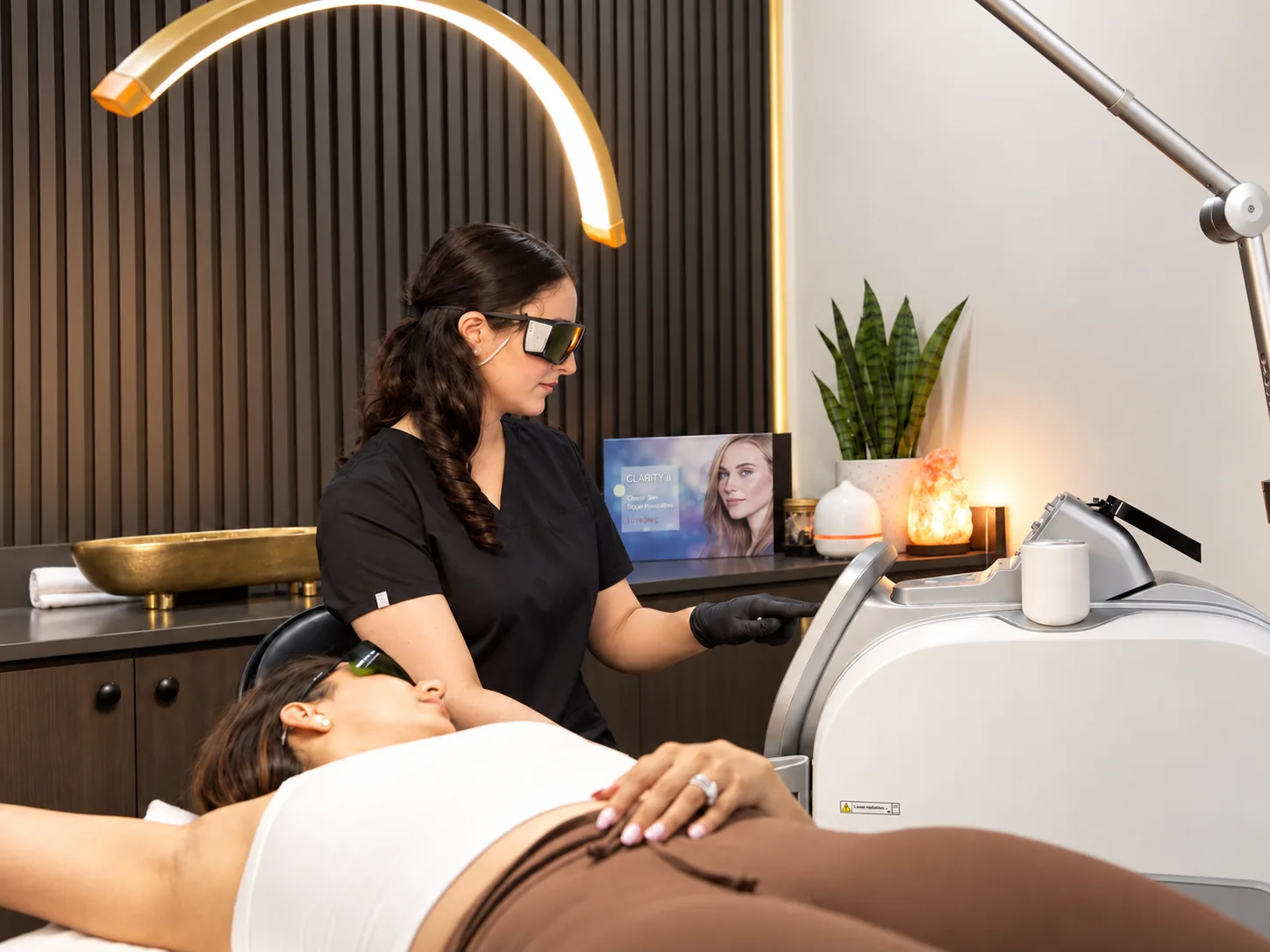
Treatments that may help
The fit is decided at your free consultation, never from a page. The options below start with the treatment designed for the tag itself, followed by a companion option for the surrounding skin that some clients ask about at the same visit. Both are explained in more depth on their own pages.
Skin Tag RemovalSkin Tag Removal is a professional treatment for typical-looking tags on the neck, underarms and body, offered only after an aesthetician has examined the growth in person. It is the direct option when a tag is in the way, and tends to suit clients whose tags look ordinary and have not changed. Tags on or very near the eyelids sit outside what Skinholic treats, so ask a physician instead.Recommended starting point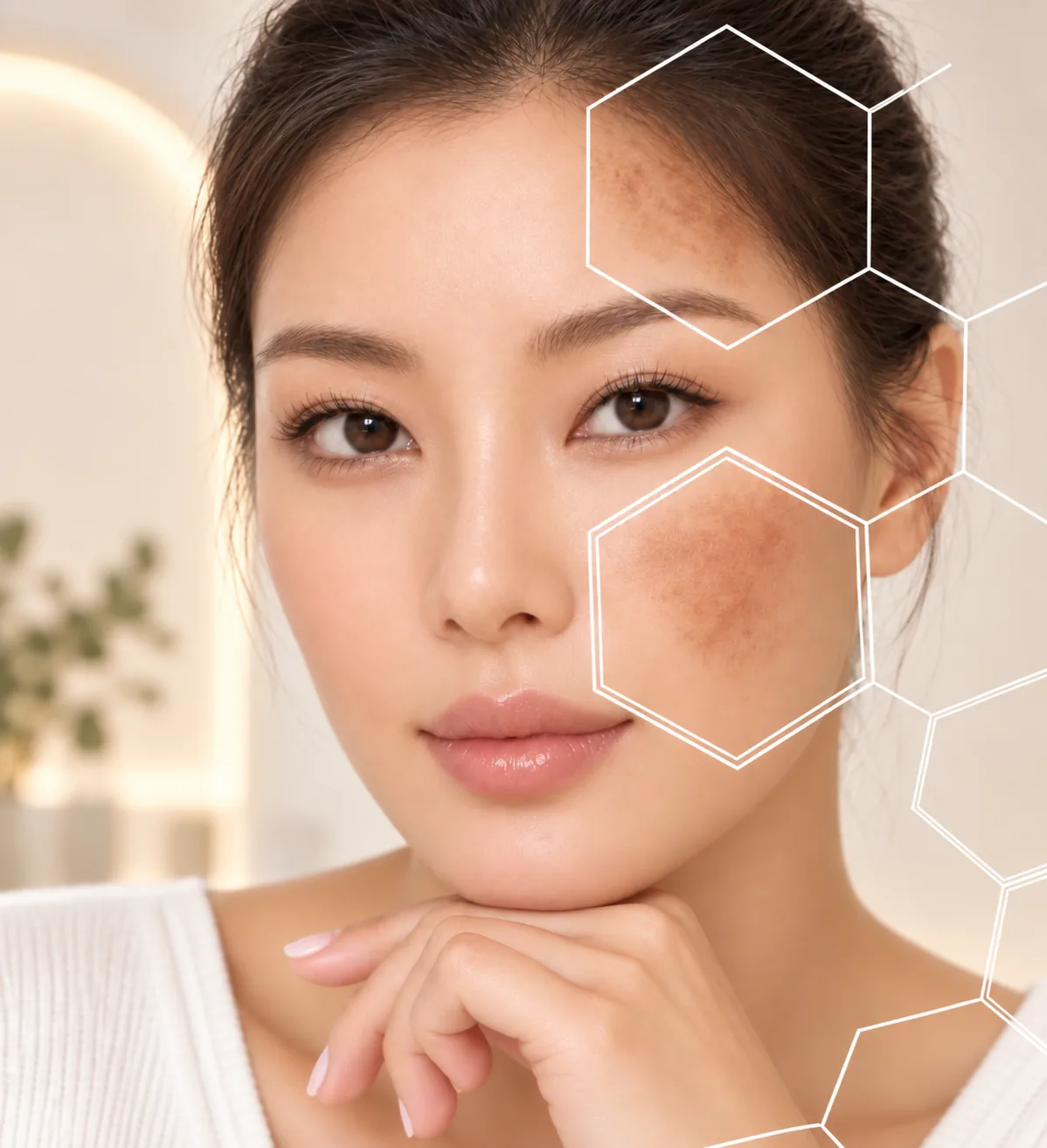 Skin LighteningSkin Lightening is a brightening protocol designed to help improve the appearance of darkened body areas such as the underarms, neck, knees and elbows. The same folds where tags tend to sit can show darkening too, so it is a companion option for clients who want the overall tone of the area to look more even. An aesthetician may suggest it once a removal site has settled.