What a mineral sunscreen does
Mineral sunscreens use zinc oxide, titanium dioxide or both as active filters. Look for broad-spectrum protection on the finished product rather than assuming a single ingredient tells you everything about its performance. Broad spectrum means protection against both UVA and UVB radiation. No sunscreen blocks all ultraviolet exposure.
Mineral and non-mineral products are both useful options when appropriately formulated and used as directed. Describing one category as harmless and the other as dangerous is misleading. A product's texture, fragrance, other ingredients and your own skin history can affect comfort.
Choose for your skin and your routine
Mineral formulas are often recommended for sensitive skin, but they can still sting, irritate or cause a reaction. If a sunscreen has bothered you before, keep a record of the product and what happened. Persistent or severe reactions should be discussed with a clinician. A fragrance-free option may be worth considering, without assuming any label guarantees tolerance.
Try a texture you can apply generously rather than rationing an expensive product. Some mineral formulas leave a visible cast, especially on deeper skin tones. Testing the finish in daylight can help. Tinted products vary in shade and coverage; makeup with SPF is not a dependable substitute if you apply only a small cosmetic amount.
Read the directions before heading outside
Health Canada recommends broad-spectrum SPF 30 or higher, generous application at least 15 minutes before sun exposure, and reapplication at least every two hours during exposure. Follow the label's instructions after swimming, sweating or towelling. Water resistance has a time limit and does not mean waterproof.
Make sunscreen one part of the plan alongside shade, protective clothing, a hat and sunglasses. Remember easily missed exposed areas such as ears and the neck. Cloudy or cool weather does not reliably tell you the UV exposure: check the local UV forecast when planning time outdoors.
After a peel, laser or microneedling treatment
Ask the treating practitioner when to resume sunscreen and which formula to use on the treated area. Instructions depend on the procedure and the condition of the skin. Do not apply a familiar product to an open or intensely irritated area simply because it is mineral.
Plan the treatment around outdoor work, sport and travel. You may need to postpone a procedure if you cannot follow its sun-avoidance instructions. Sunscreen supports protection but cannot guarantee that pigmentation changes or other complications will be prevented.
When you are treating uneven tone
Sun protection is part of managing dark spots, but it does not establish the cause of a mark or replace treatment of a skin disease. Have changing, bleeding, irregular or otherwise concerning spots medically assessed before cosmetic treatment. If you are considering a skin treatment at Skinholic, bring the sunscreen and other products you actually use so the aftercare discussion is practical.
The American Academy of Dermatology's sunscreen-label guide explains broad spectrum, SPF and water resistance. The useful choice is a suitable product used correctly and consistently, with other sun-protection measures.
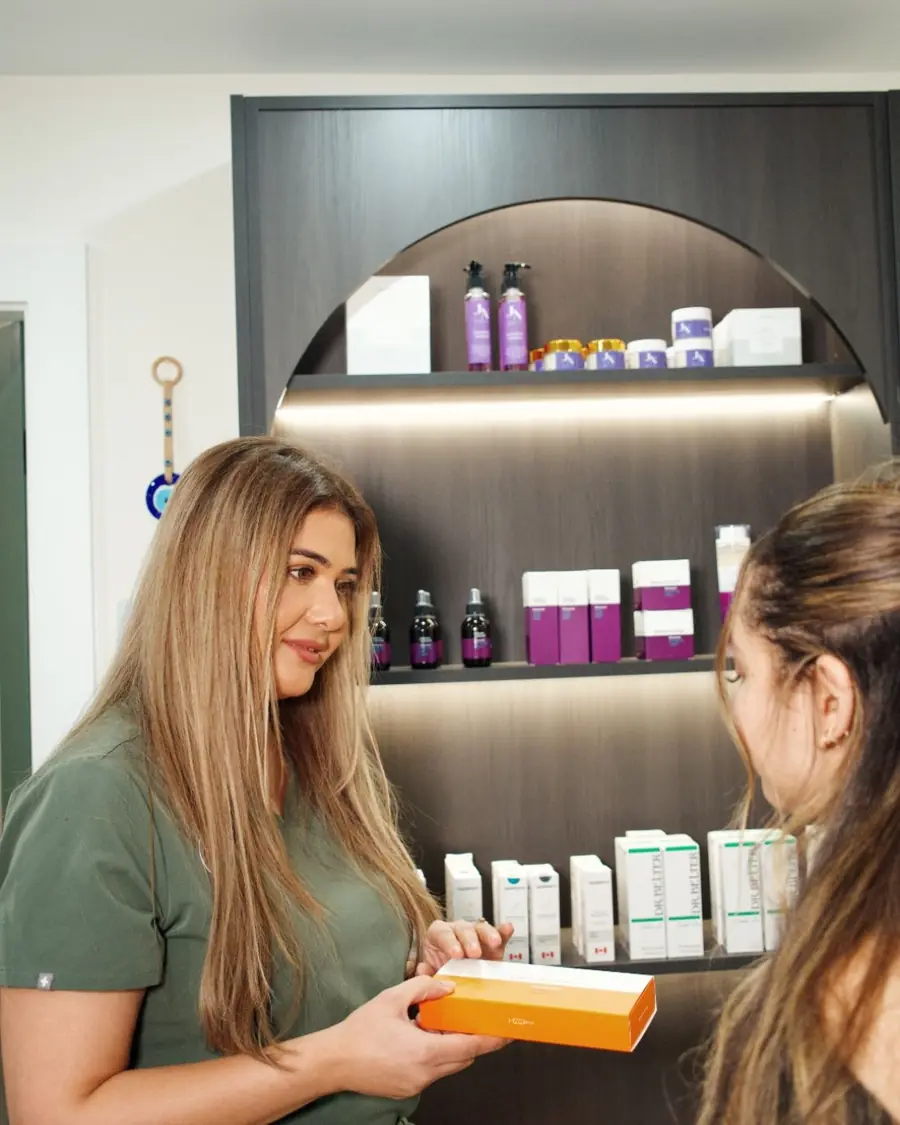
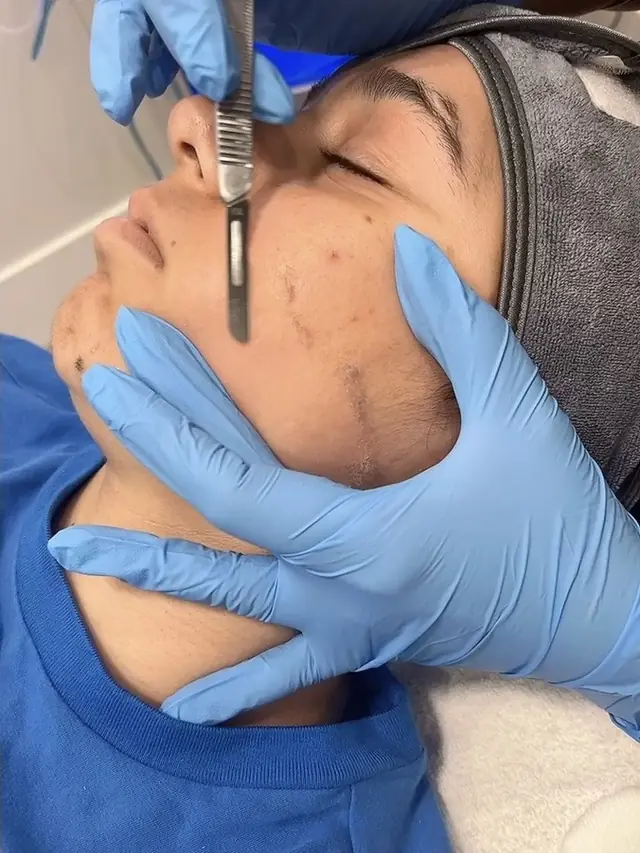 Which facial is right for your skin?Skinholic offers several facials in Surrey, and they are not interchangeable: each is built around a different starting point. Here is what each one……
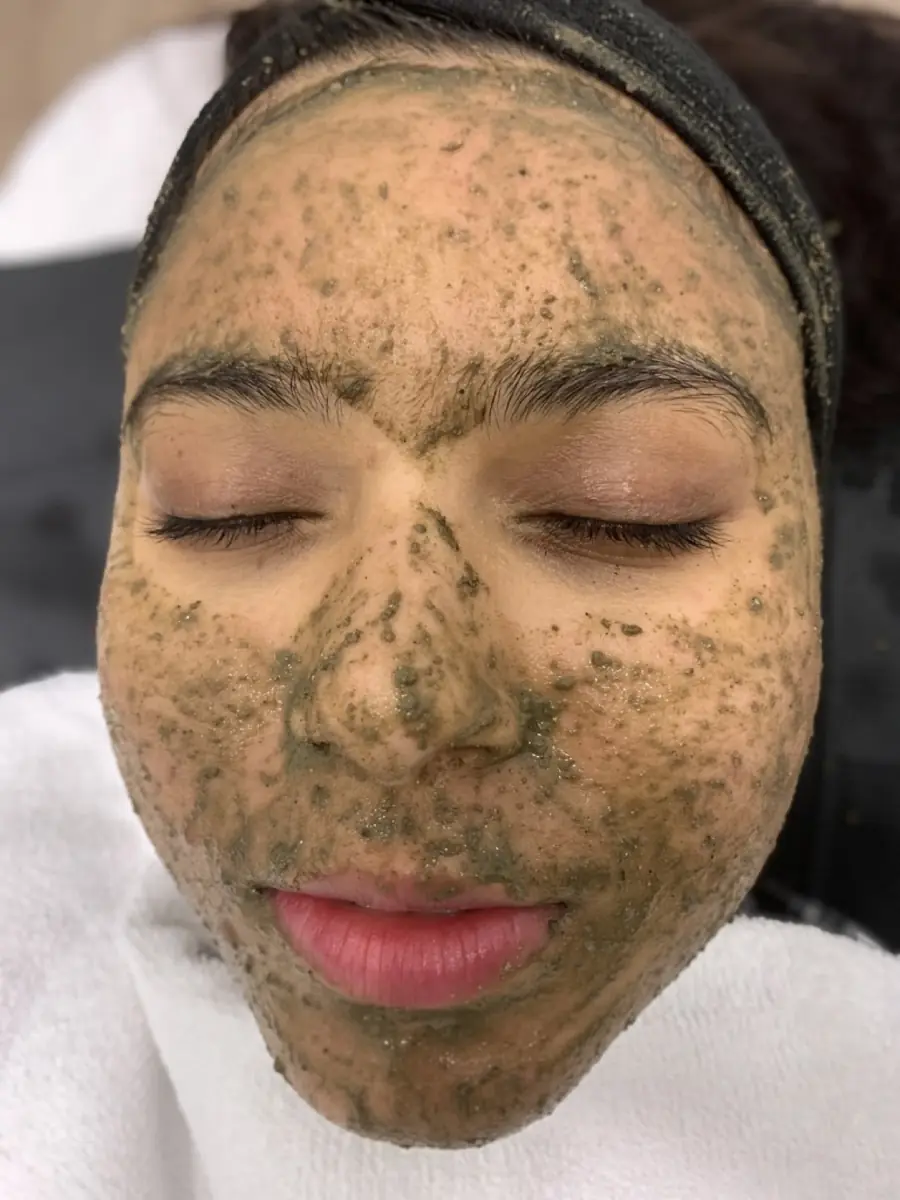 Which peel is right for you?A peel is not one treatment. Skinholic runs several at the Surrey clinic, from medical-grade depigmentation protocols to gentler resurfacing options.……
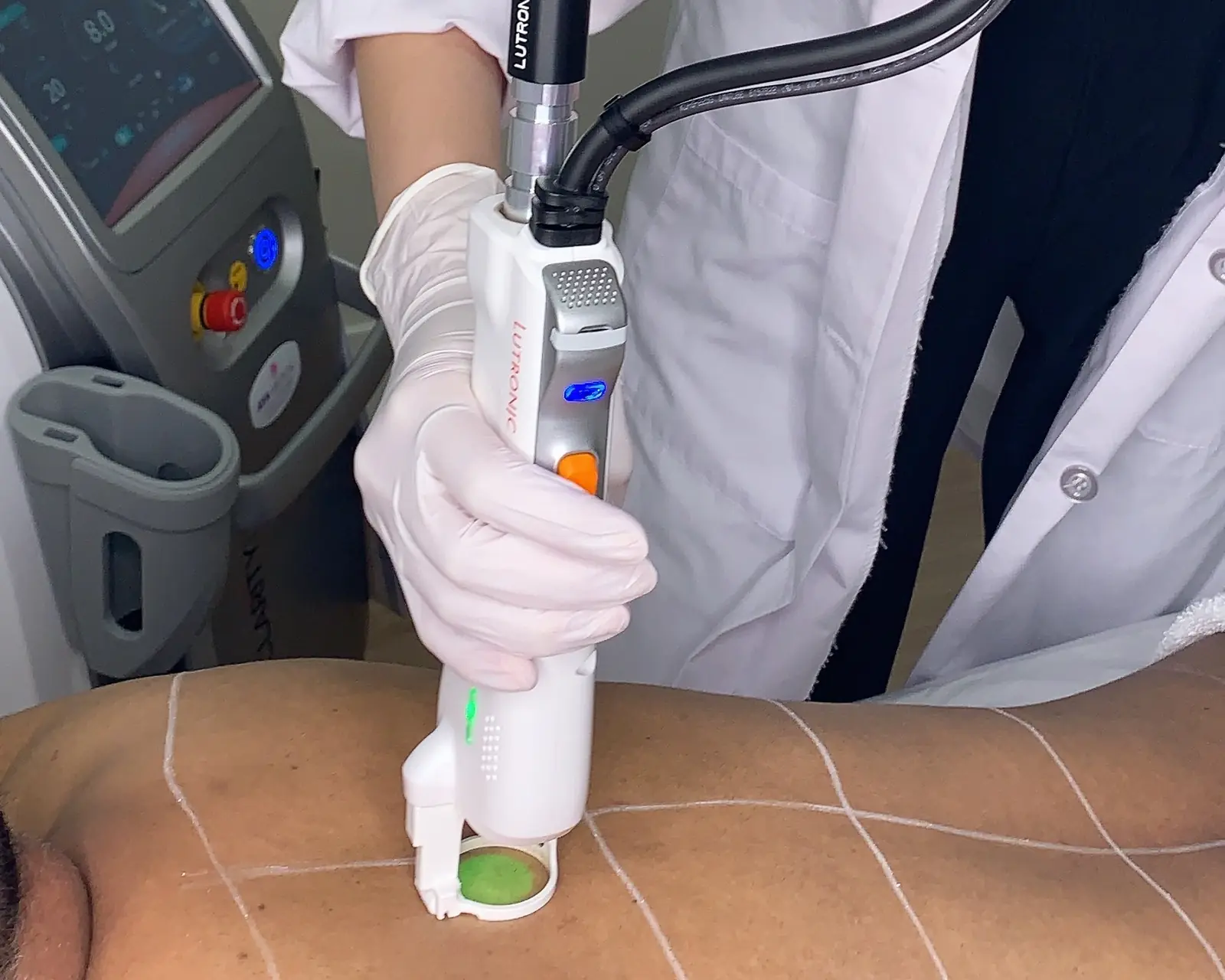 Which laser treatment do you need?Lasers are matched to a job (hair, pigment, ink, texture) and to your skin. These are the laser treatments offered at our Surrey clinic, and what……