First, identify the type of dark mark
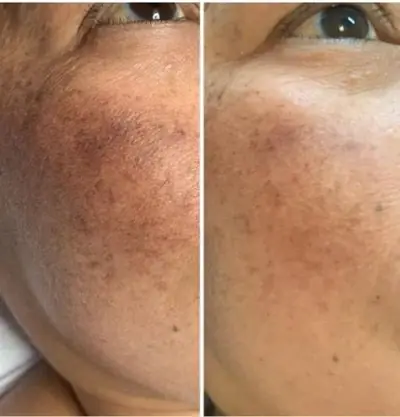
Hyperpigmentation describes skin that is darker than the surrounding area. It is a description, not a diagnosis. Sun spots, melasma and marks left after acne or eczema can look similar but behave differently. Some changes also need medical investigation. A new, changing, bleeding or unusual spot should be assessed before a cosmetic procedure, rather than simply treated as excess pigment.
Normal differences in skin colour do not require correction. If an area bothers you, the useful question is what caused the change and whether treatment offers a reasonable benefit for you. Avoid products that promise rapid whitening or do not clearly identify their ingredients.
Post-inflammatory marks are different from scars
Acne, friction, burns and irritating skin-care products can leave flat brown or grey marks as inflammation settles. These marks are different from indented or raised scars. Some fade over time, especially once the trigger is controlled, although the process can be slow. Treating ongoing acne or dermatitis can be more useful than repeatedly exfoliating the marks it leaves.
Adding stronger acids or scrubs to speed things up can backfire. Irritation itself may cause more pigmentation, particularly in skin that readily develops dark marks. If a routine stings or causes persistent redness, simplify it and seek appropriate advice.
Melasma often needs ongoing management
Melasma commonly produces patches on the face and can be influenced by light exposure and hormones. It may improve and then return. A qualified medical professional can confirm the diagnosis and discuss topical treatment options. A cosmetic peel or laser should not be presented as a permanent cure.
Laser or light-based treatment is not automatically the next step for stubborn patches. In some people it can worsen pigmentation. Ask why a particular method is suitable for your diagnosis, skin tone and history, and what alternatives are available.
Compare the actual procedure
Skinholic lists brightening facials, chemical peels, Cosmelan and Dermamelan protocols, and pigment-focused laser services. A moisturising facial can improve surface appearance, while a peel or a depigmentation protocol involves different ingredients, recovery and risks. The word professional does not by itself establish that a treatment is safer or better than appropriate home or medical care.
For a peel, ask about its ingredients and depth, likely irritation, home-care requirements and what to do if the skin becomes painful or inflamed. For a laser, confirm the exact platform and pulse duration. Picosecond and Q-switched nanosecond lasers are different technologies. Discuss burns, pigment changes, recovery and the limits of test spots.
Microneedling should not be described as mechanically breaking up pigment in the way a pigment-targeting laser interacts with a target. Its role, if any, depends on the diagnosis and protocol; it also causes skin injury and may lead to pigment changes. Ask for evidence relevant to the proposed use rather than assuming that collagen stimulation treats every kind of dark spot.
Make sun protection practical
Use broad-spectrum SPF 30 or higher, reapply as directed and combine it with shade and protective clothing. For melasma, a tinted sunscreen with iron oxide can also help protect against visible light. Choose a formula you can use consistently without irritation. Sun protection supports treatment but does not guarantee that pigmentation will disappear or stay away.
Before committing to a course
Ask what the working diagnosis is, who made it, the expected range of improvement, the total cost and when progress will be reviewed. Bring a list of medicines and skin-care products, and mention previous reactions or pigment changes after procedures. You can take time to consider the plan. A recurrence is a reason to reassess the cause and approach, not automatically to buy more sessions.
Sources: AAD guidance on fading dark spots and melasma diagnosis and treatment.
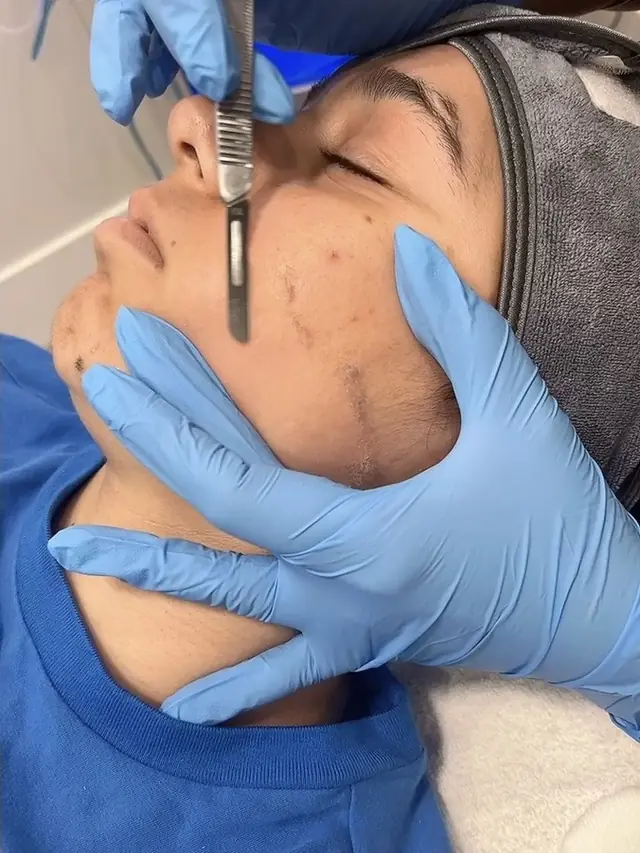 Which facial is right for your skin?Skinholic offers several facials in Surrey, and they are not interchangeable: each is built around a different starting point. Here is what each one……
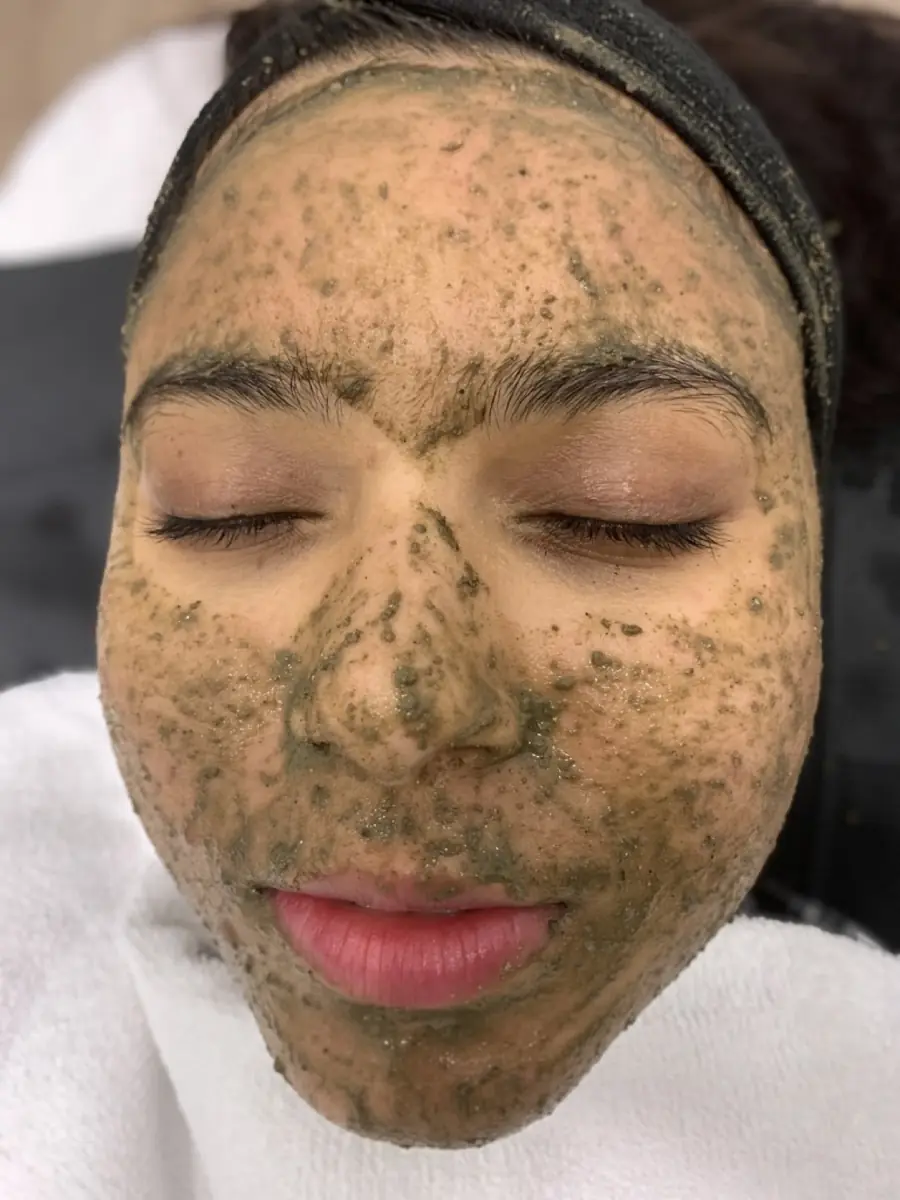 Which peel is right for you?A peel is not one treatment. Skinholic runs several at the Surrey clinic, from medical-grade depigmentation protocols to gentler resurfacing options.……
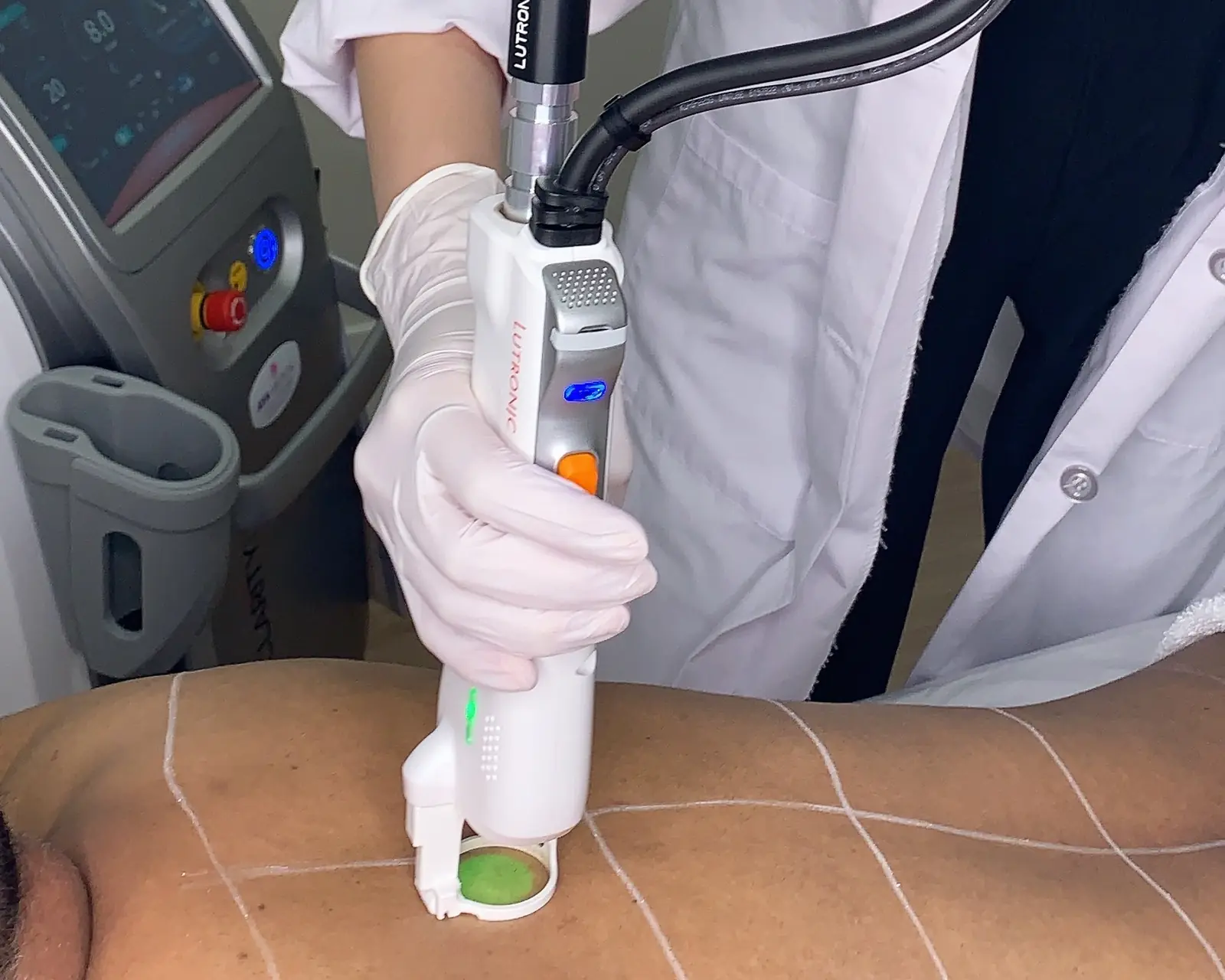 Which laser treatment do you need?Lasers are matched to a job (hair, pigment, ink, texture) and to your skin. These are the laser treatments offered at our Surrey clinic, and what……