Sensitive skin needs an assessment, not a blanket promise. Learn what to share at consultation and when a calmer routine should come before exfoliation.
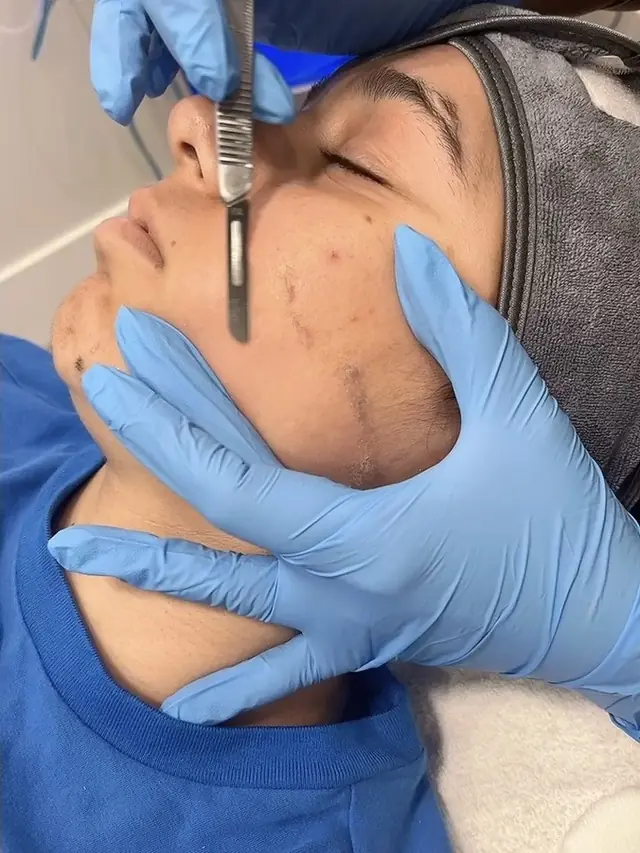
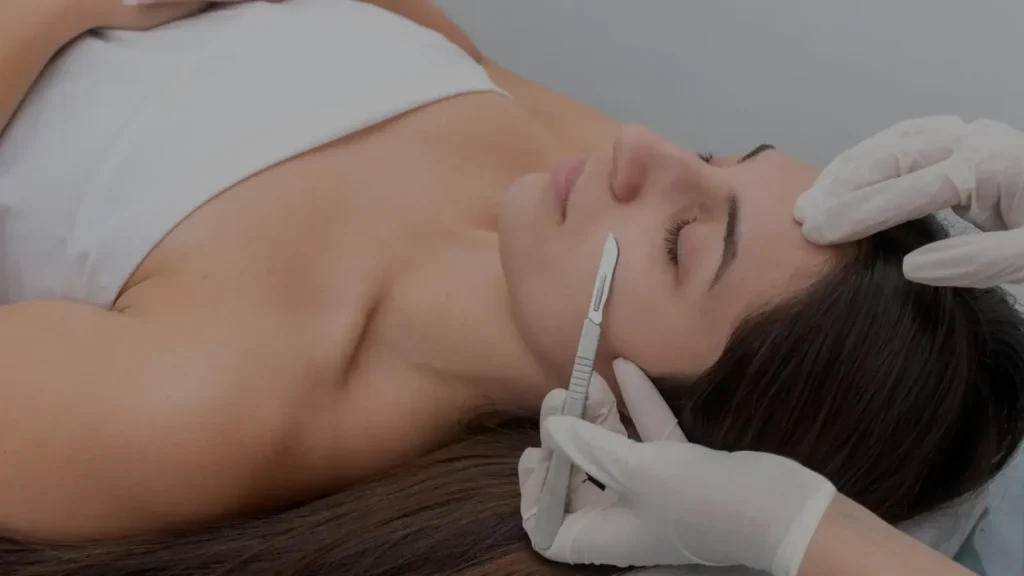
If your skin stings after a new serum or turns uncomfortable after washing, the word gentle can be reassuring. It can also be misleading when it is used as a promise that a treatment will suit everyone. Dermaplaning removes fine facial hair and surface buildup with a blade. Whether it is appropriate depends on what your skin is doing now, not simply on how a treatment is described.
You do not need to arrive at Skinholic Aesthetics & Laser knowing which category your skin belongs in. A useful consultation starts with the reactions you have noticed, the products you use and what you hope to improve. Sometimes treatment can be considered; sometimes the better decision is to wait or seek medical advice.
Describe sensitivity in practical terms
Sensitive skin is a description people use for several different experiences. You might flush easily, react to fragrance, feel tight after cleansing or develop a rash after a product. Those experiences are worth describing separately because they do not all have the same cause or the same implications for treatment.
Explain what happened, how quickly it appeared and how long it lasted. A photograph can be useful if the skin looks calm on appointment day. Saying that a product made your cheeks burn for several hours tells a practitioner more than saying that you have difficult skin.
Surface flakes do not always need removing
It is easy to see visible flakes and assume that another exfoliating treatment will help. Sometimes skin is rough because it is irritated or dry, and taking off more surface material can make it less comfortable. The American Academy of Dermatology notes that exfoliation is not appropriate for everyone and can cause harm when used incorrectly.
Pay attention to how the skin feels as well as how it looks. Burning, persistent tenderness, cracking or a new rash are reasons to pause. An aesthetic appointment should not be used to diagnose an unexplained condition or to work through a reaction that has not settled.
Rosacea and dermatitis need their own care
Rosacea can make skin sensitive and easily irritated. Contact dermatitis can follow exposure to an irritant or an allergen. Both can be mistaken for ordinary sensitivity, especially when someone is trying a series of products to improve texture. A physician or dermatologist can assess persistent or recurring symptoms.
If you already have a diagnosis, share it and bring the treatment plan you were given. Do not stop a prescribed cream just to prepare for a cosmetic procedure. Ask the treating clinician when elective exfoliation can be considered and whether there are specific restrictions the aesthetic practitioner needs to follow.
Bring the whole routine, including occasional products
A daily cleanser and moisturiser do not tell the full story if you also use a weekly peel, a facial brush or an acne treatment. Include products you use only when your skin looks congested. These occasional steps can be easy to forget, particularly when they are not sitting beside the bathroom sink.
Write down recent changes. A new sunscreen, foundation, hair-removal cream or fragranced product may be relevant to a reaction. Do not try to identify an allergy by repeatedly applying a suspected product. Medical assessment may be needed, and the product list can help guide that conversation.
Active breakouts change the decision
Dermaplaning should not be treated as a way to shave across inflamed pimples and make them disappear. The practitioner needs to assess active acne, broken skin and other lesions before deciding whether any part of the face is appropriate for treatment. A treatment menu is not a substitute for that examination.
If acne is painful, persistent or leaving scars, seek medical care. Controlling ongoing inflammation may be more important than removing fine hair. You can return to the question of cosmetic surface texture once the skin is more stable, rather than repeatedly adding procedures while new breakouts continue.
Agree on the purpose before discussing extras
Be clear about what dermaplaning is expected to change. Fine facial hair, a rough surface feel and makeup catching on peach fuzz are different goals from treating deep scars or a recurring rash. If the desired result falls outside the treatment’s likely benefit, another approach or no procedure may be preferable.
Be cautious about adding a peel or several active products simply because they are offered together. Ask why each step is recommended for your skin and whether it changes the risks or aftercare. Sensitive skin is a reason for a more considered plan, rather than a reason to buy a larger combination treatment.
Understand the possible downside
Dermaplaning uses a sharp instrument. Possible complications include cuts, irritation, infection, pigment changes and scarring. A consultation should explain these possibilities without implying that having an experienced practitioner removes every risk. Discuss a history of raised scars, poor healing or colour changes after inflammation.
Ask about infection prevention and how the practitioner decides where not to treat. You should feel able to mention discomfort during the appointment. Proceeding with fewer steps or deciding not to treat that day can be a sensible response to the skin assessment, rather than evidence that the appointment has failed.
Plan recovery before you commit
Get written instructions about cleansing, moisturising, sunscreen, makeup and restarting active products. The advice should be specific enough to follow at home. If you are unsure which of your products fit the instructions, show the practitioner the labels before leaving rather than guessing later.
A short routine is easier to monitor than several unfamiliar products introduced together. If irritation develops, stop experimenting and contact the clinic. Increasing pain, spreading redness, discharge, blistering or a significant reaction need prompt professional assessment. Seek urgent medical help for a severe allergic reaction, including breathing difficulty.
A postponement should come with a useful next step
If the skin is not suitable today, ask what needs to happen before treatment can be reconsidered. That might mean medical assessment, allowing an irritation to settle or reviewing products with a qualified clinician. Avoid turning a postponement into a search for another clinic willing to perform the same procedure immediately.
You can also decide that the likely benefit is too small for your preferences. Fine hair is normal, and keeping it is an entirely reasonable choice. A consultation should help you understand options without making you feel that every visible feature needs correcting.
If your skin changes between consultation and treatment, call before you travel. Mention new sunburn, cold sores or a rash so the team can advise whether to keep or change the appointment.
Prepare for the conversation in Surrey
Take three things: your product list, a brief history of reactions and a clear description of the result you want. Add photographs if symptoms come and go. Include recent procedures and any prescribed treatment. This helps the discussion focus on suitability rather than on choosing an appointment from a name alone.
Read about dermaplaning at Skinholic or book a free consultation at the Surrey clinic, 9332 120 St. Call 604-773-7579 if you need help deciding where to start. There is no obligation to book treatment after the consultation.
General education only. Further reading: AAD guidance on exfoliation, AAD rosacea skincare and NHS contact dermatitis. Individual assessment takes priority over general advice.