Dryness and dullness can appear together, but they do not always call for the same treatment. Learn how to discuss hydration, exfoliation and realistic goals before booking.
You want your skin to feel comfortable, but the treatment menu offers brightening, resurfacing, anti-aging and several kinds of peel. Each name sounds as though it might solve the tightness and dullness at the same time. The choice becomes easier when you separate the outcome you want from the steps involved in delivering it.
A facial for cosmetic dryness should begin with an assessment of the skin, not a decision that every flake needs removing. At Skinholic Aesthetics & Laser in Surrey, explain whether comfort, surface texture or the way makeup wears is your first priority. Those are related goals, but the order matters.
Decide which problem you want addressed first
Imagine two people describing dry skin. One feels comfortable but notices a dull surface and makeup catching on rough patches. The other experiences burning after cleansing and has a persistent sore area beside the nose. They may use the same words when booking, yet need quite different next steps.
Describe the sensation, location and timing of your concern. If the skin hurts, itches intensely, cracks or weeps, medical assessment comes first. When the concern is cosmetic and the skin is stable, a consultation can help determine whether a facial is appropriate and what you should realistically expect from it.
Ask what hydration-focused means in practice
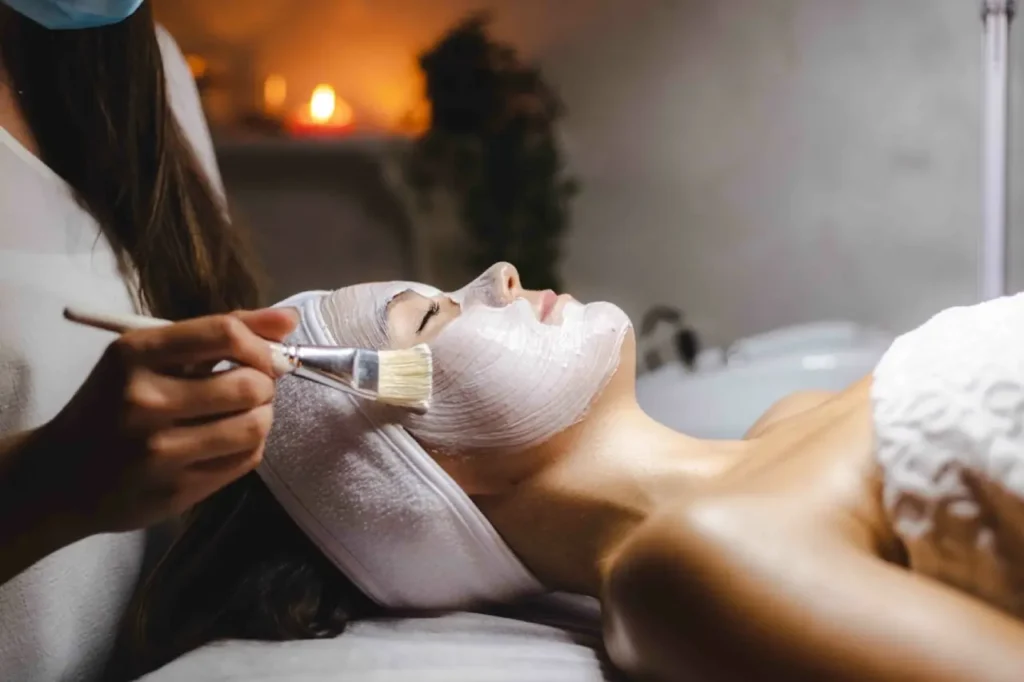
A treatment name does not tell you the whole protocol. Ask whether the appointment includes cleansing, a mask, massage, an exfoliating step, a device or another procedure. A facial described as hydrating may still contain steps that matter for easily irritated skin. Understanding those steps is more useful than choosing from the name alone.
Skinholic lists anti-aging facials among the options for cosmetic dryness concerns. Discuss the specific version proposed for you and whether the aim is temporary comfort, a fresher surface appearance or another outcome. Hydrated-looking skin should not be presented as proof that aging has been reversed.
Exfoliation has a different purpose
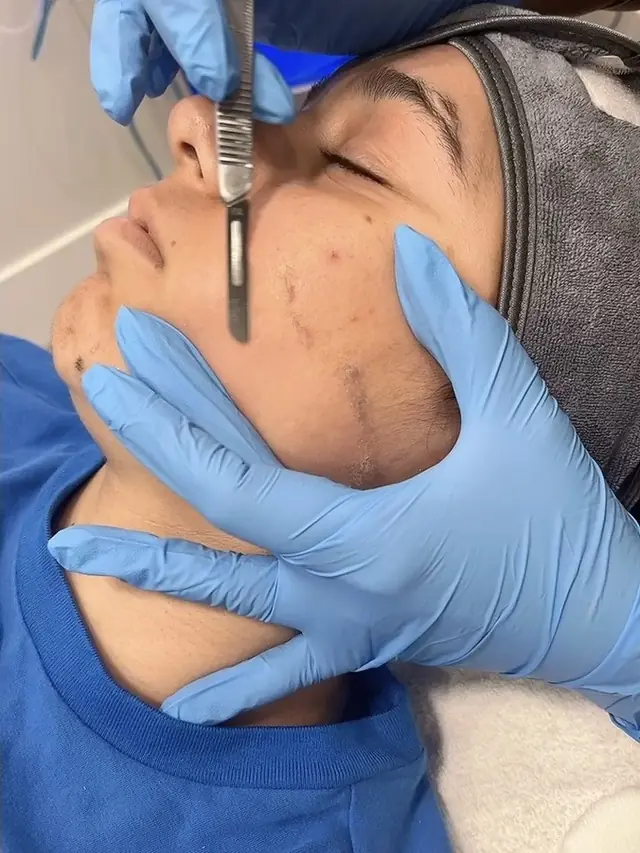
Exfoliation removes material from the skin’s outer surface. It may be considered for some stable texture concerns, but it is not a requirement for every dry face. The American Academy of Dermatology advises that exfoliation is not suitable for everyone and can cause increased irritation when the method does not fit the skin.
Ask why an exfoliating step is being recommended now. Is the skin comfortable enough for it? What would happen if it were omitted? You should be able to understand the intended benefit and the possible downside. If the explanation is simply that dry skin always needs scrubbing, ask for a more individual assessment.
Non-acid does not mean non-irritating
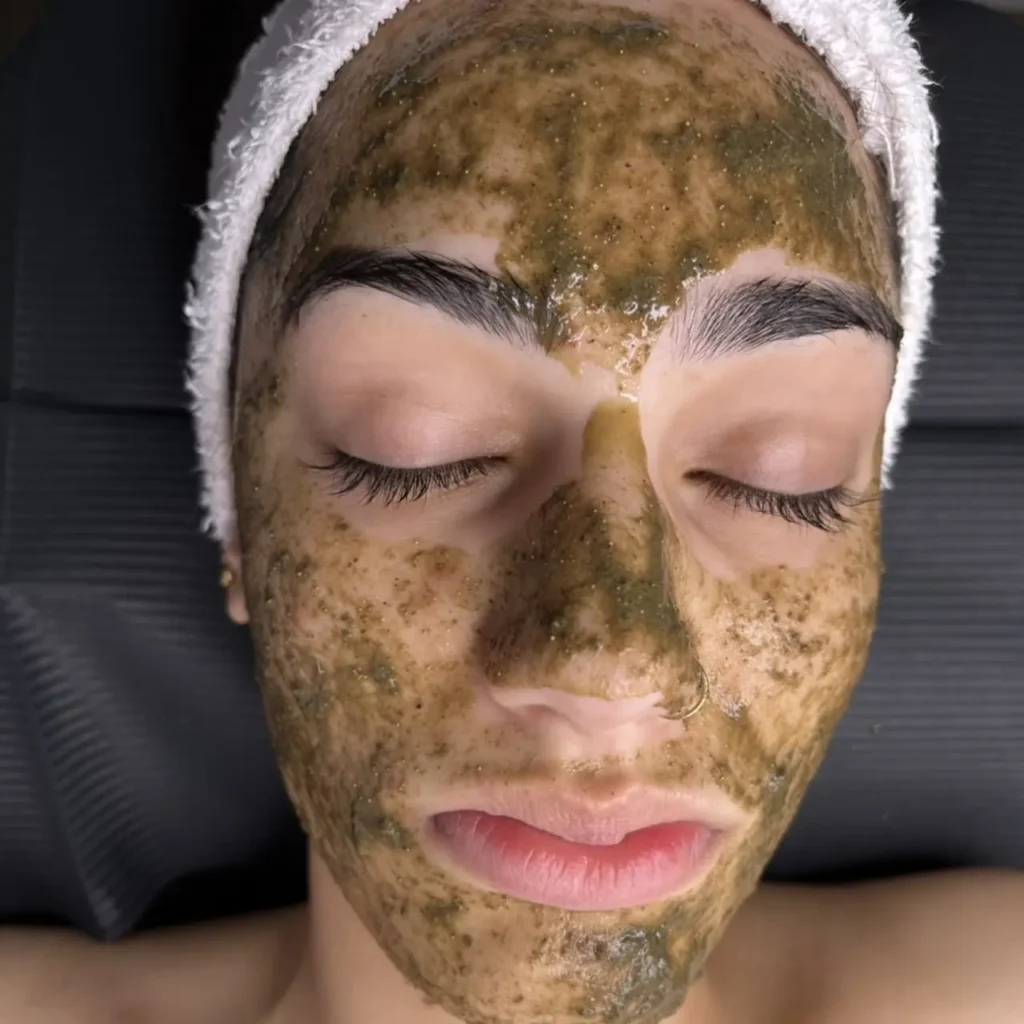
A peel can use a different mechanism from a familiar acid product and still cause irritation or require recovery. Skinholic lists the Zena Algae Peel as a micro-spicule treatment. Do not assume that a non-acid description automatically makes it suitable for a reactive or inflamed face.
Ask how the proposed procedure works, which products it involves and what reactions are expected. Find out how long you should allow before returning to your usual skincare or another treatment. A procedure should be selected because the assessment supports it, rather than because one ingredient category sounds gentler.
Make your current routine part of the decision
Bring the products you use regularly and occasionally, including prescriptions. Include the weekly peel, spot treatment or facial brush that you may not think of as part of daily skincare. Mention recent laser sessions, waxing, needling, injectables and other procedures affecting the same area.
The practitioner needs to know how your skin has responded, not just which products you own. A moisturiser that stings and a cleanser that leaves lasting tightness are relevant details. Do not stop prescribed medication to make room for a facial without speaking to the clinician responsible for that treatment.
Choose a plan you can follow at home
A facial is one appointment within a much longer routine. If you leave with several new products but no clear explanation of when to use them, it becomes difficult to tell what helps. Ask whether you can continue suitable products you already tolerate and which changes, if any, are necessary.
Get advice about cleansing, moisturising, sun protection and restarting active products after the specific treatment. Write it down. If two providers give you conflicting instructions because you have other procedures booked, resolve that conflict before proceeding. You should not be left to guess which instruction takes priority.
Keep the first visit proportionate
You do not need to commit to a long course before discovering whether an appointment suits your skin and your preferences. Ask what can be learned from the first visit, what a reasonable review would look like and when a decision about further sessions should be made.
For a first procedure, avoid combining several unfamiliar treatments solely to maximise what happens in one appointment. A simpler plan may make the response easier to understand. If a combination is recommended, ask what each part adds and how the practitioner manages the combined preparation and recovery requirements.
Measure comfort as well as appearance
Think about what would count as a useful result for you. Perhaps the cheeks feel less tight during the working day, foundation sits more evenly or a stable rough patch feels smoother. These observations are more informative than deciding that every fine line should vanish after a facial.
Photographs can help with appearance, but use similar lighting and avoid filters. Keep a note of comfort and any reactions as well. If a treatment makes the skin look temporarily brighter but repeatedly leaves it sore, that matters when deciding whether to repeat it or change the plan.
Understand costs and review points
Request the price of the actual procedure being proposed, including optional additions. Ask whether the quoted amount is for one visit or a course and what any package includes. You should understand the cancellation policy and whether further appointments are optional or part of a recommendation.
A useful plan also explains when to stop. Limited benefit, repeated irritation or a change in your priorities should lead to reassessment. The aim is not to keep adding procedures until something works. It is to choose an approach whose likely benefit makes sense for your skin, time and budget.
Know when to leave the treatment menu behind
Persistent inflammation, a spreading rash, bleeding cracks, significant pain or signs of infection need medical care. A cosmetic provider should recognise the limits of its role. A dermatologist or family doctor can assess conditions that cannot be identified or managed simply by choosing another facial.
There is also no need to book a procedure if your skin is comfortable and your current routine meets your needs. A consultation may confirm that maintenance at home is enough. Choosing less treatment can be a positive decision when it matches your goals and the condition of your skin.
Discuss your options in Surrey
Read Skinholic’s guide to dry, tight-feeling skin and book a consultation at 9332 120 St, Surrey. Call 604-773-7579 with questions. The first consultation is free, with no obligation to book a facial. Bring your routine, previous treatment history and the outcome that matters most to you.
General educational information. Results and suitability vary. Further reading: AAD guidance on exfoliation and AAD dry-skin diagnosis and treatment. Medical symptoms require assessment by an appropriate clinician.