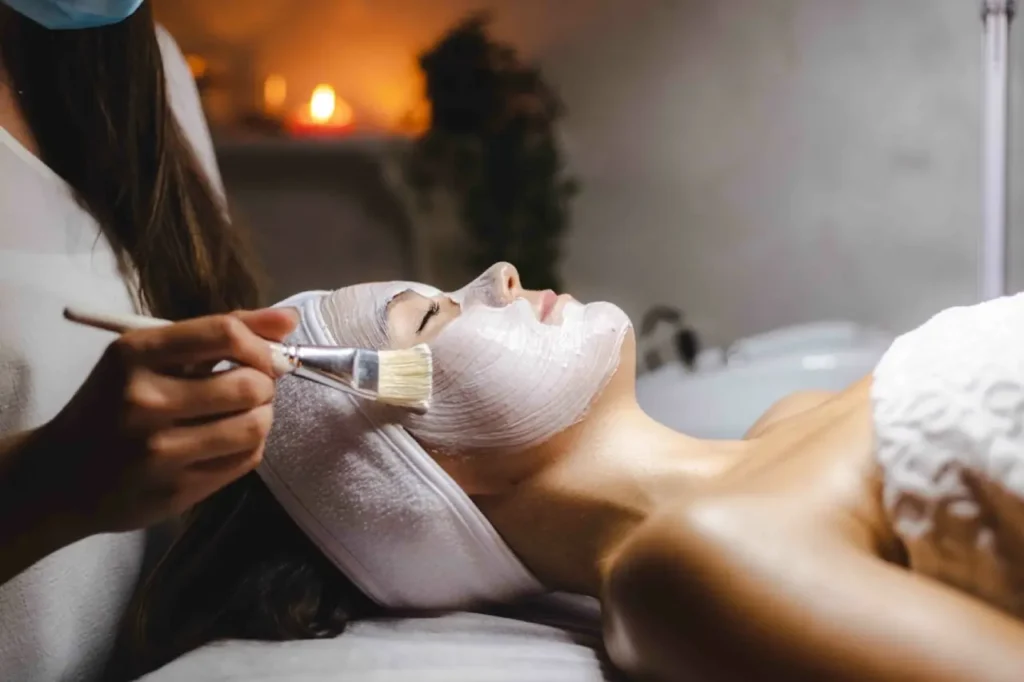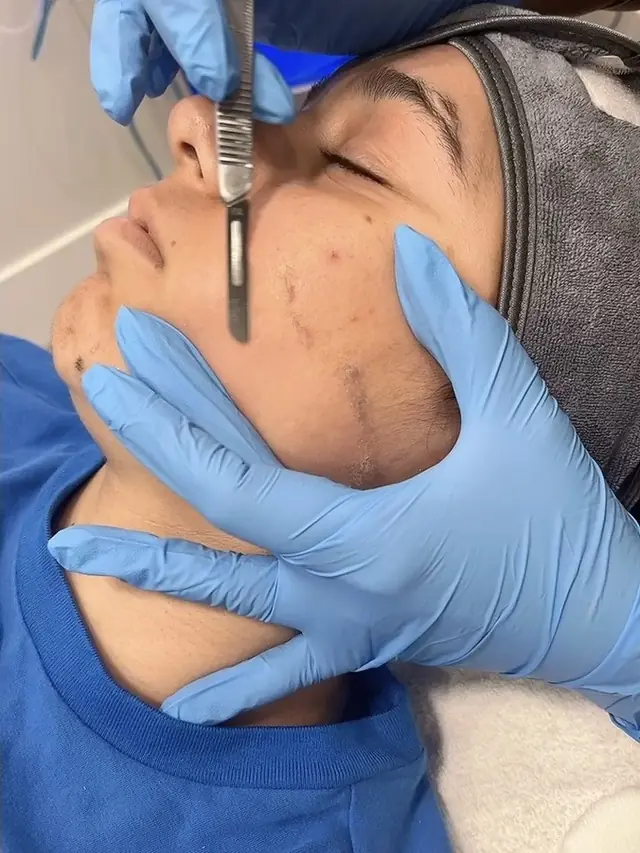
The preparation starts before appointment day. Understand the proposed peel, share your skincare and medication history, and leave room in your calendar for recovery.
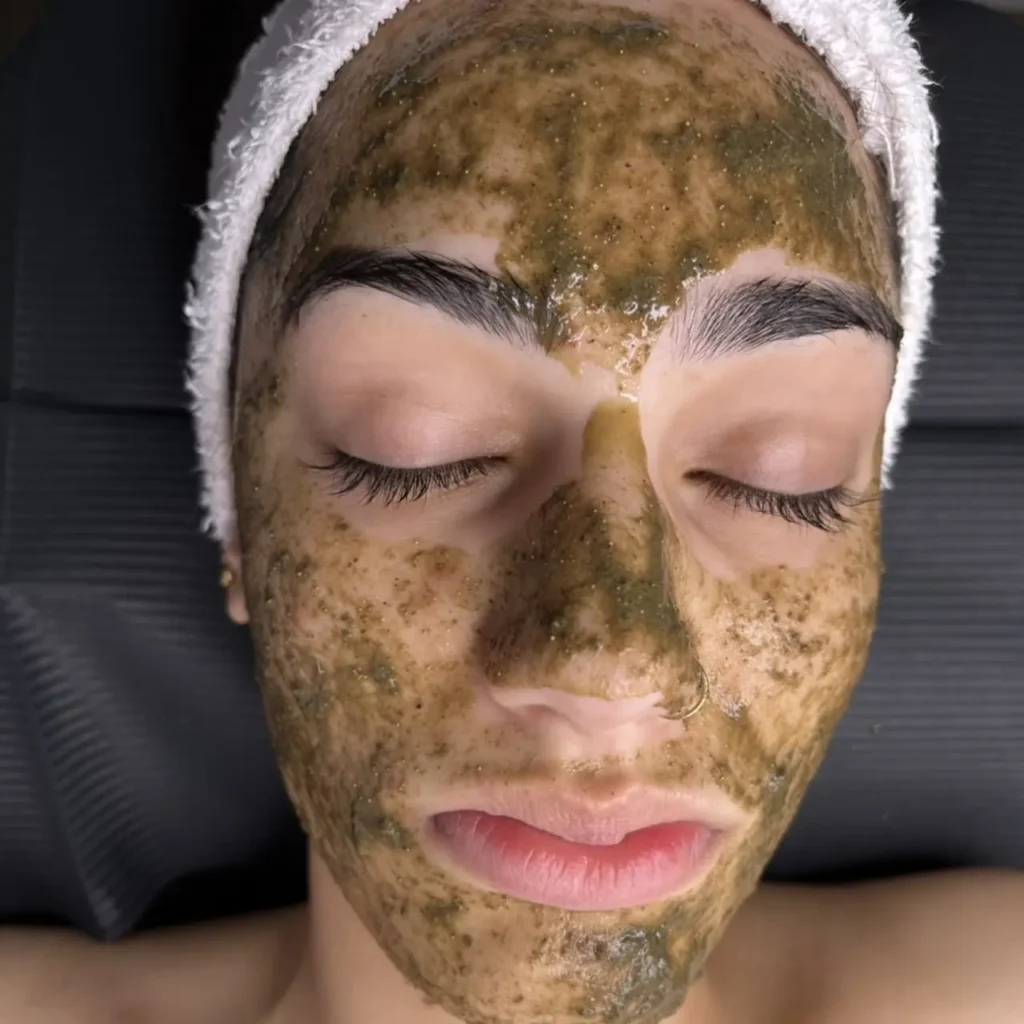
The words chemical peel cover more than one procedure. A treatment intended for mild surface dullness is a different proposition from a deeper resurfacing procedure. Before your first appointment, find out exactly what is being recommended and what preparation it requires. Choosing the strongest option is not a useful starting point.
At Skinholic Aesthetics & Laser in Surrey, a consultation should connect the proposed peel to your skin, concern and available recovery time. Bring your questions before buying a series. The aim is to understand the plan well enough to decide whether it fits you, including whether another approach would be preferable.
Name the concern before naming the peel
Explain what you want to change in ordinary terms: roughness under makeup, marks left after breakouts or a patchy-looking complexion. These concerns can have different causes and may not all respond to the same treatment. An in-person assessment matters more than matching your face to a photograph online.
Ask which parts of the concern the proposed treatment is expected to improve. A plan for surface texture should not become a promise to eliminate deep scars or every dark patch. If a lesion is changing, bleeding or unexplained, seek medical assessment before any cosmetic peel is considered.
Understand the actual procedure
Ask for the peel’s name, the intended depth and the reason it suits your assessment. A chemical solution changes the outer layers of skin, with effects and recovery depending on the procedure. Treatments described as peels are not all interchangeable, and a reassuring product name does not replace an explanation.
Skinholic’s chemical-peel menu is a starting point for discussion. Confirm the exact treatment proposed for your appointment rather than assuming that everything described in a general guide will happen. A deeper peel described by a medical source may have very different requirements from the superficial treatment being discussed.
Share medication and treatment history
Tell the practitioner about current and previous acne medication, including isotretinoin, and all other medicines you take. Mention cold sores, allergies, previous skin procedures, healing problems and a tendency to develop raised scars or pigment changes. Bring a list if remembering the names is difficult.
Do not stop prescribed medicine on your own. The practitioner may need input from your prescribing clinician or may recommend a different timetable. Be honest about previous reactions, even if they happened at another clinic. That history is useful information rather than a reason to feel embarrassed.
Review skincare before changing it
Take photographs of your cleanser, moisturiser, sunscreen, exfoliating acids, retinoids and occasional masks. Include the products you use only when the skin feels congested. Preparation instructions should account for the whole routine, rather than just the products you remember to mention first.
Some people need a specific pre-peel regimen. Ask which steps apply to you, when they begin and what to do if irritation develops. Do not create your own preparation by layering stronger acids or scrubbing away flakes. Skin that feels raw is not better prepared for a procedure.
Give sun exposure an honest place in the plan
Tell the team about tanning, sunburn, outdoor work and travel. A short sunny trip can matter even if you did not deliberately sunbathe. Ask how to manage sun protection before and after the proposed peel, including sunscreen, clothing and the activities you expect to do.
Winter can make some schedules easier, but it does not remove the need for protection. If you cannot follow the preparation and aftercare around a holiday or outdoor event, change the appointment. It is better to plan around your real calendar than to hope the restrictions will not apply.
Allow for visible recovery
Ask what redness, flaking or other temporary changes may occur and how much variation to allow. The recovery period depends on the peel and your response. A generic claim of no downtime should not be used as the basis for booking immediately before photographs, a wedding or an important work event.
Think about practical restrictions as well as appearance. You may need to change skincare, makeup, exercise or another procedure involving the same area. Write down those requirements and compare them with your diary. A treatment only fits your schedule if you can follow the instructions afterwards.
Coordinate other appointments
Tell the clinic about waxing, facial shaving, dermaplaning, laser treatment, needling and injectables. Do not assume that separate providers will know what else you have arranged. Ask for an appropriate sequence and interval based on the actual procedures, rather than fitting them together because appointments are available.
A combined package should have a clear purpose for each step. Ask what benefit an addition is expected to provide and whether it changes the preparation or recovery. You can decline an optional step. More procedures in one visit do not automatically produce a better result for your skin.
Discuss risks before consenting
Potential complications can include prolonged irritation, infection, scarring and changes in skin colour. Your skin history and the depth of treatment affect the discussion. Ask how the practitioner reduces risk, identifies an unsuitable area and responds if a complication occurs.
Find out who will perform the peel and what relevant training they have. Ask how you can raise a concern during the appointment and how to obtain advice afterwards. Consent should follow an explanation you understand. You should not feel rushed because the appointment is already underway or a promotion is ending.
Know when to call ahead
Contact the clinic if you develop a rash, a cold sore, sunburn, broken skin or a new reaction before the appointment. Also report medication changes. A postponement may be the appropriate response. Do not hide a change because you have already arranged time off or travelled across Surrey.
If you have persistent inflammation or a diagnosed skin condition, ask whether medical advice is needed first. A cosmetic consultation does not replace care from your family doctor or dermatologist. The right preparation sometimes consists of treating another problem before returning to the question of a peel.
Leave the consultation with a usable plan
You should know what is proposed, why, what it costs and how success will be reviewed. Ask whether a series is being recommended and what happens if the first treatment provides limited benefit or causes irritation. A package should not remove the opportunity to reassess suitability.
Keep the written instructions somewhere you can find them. Make a note of the clinic’s contact details and the symptoms that require prompt medical assessment. If you are unsure about an instruction, clarify it before appointment day rather than making your best guess when the skin has already been treated.
Before leaving, check that the instructions name your procedure and explain which products to use. If anything is unclear, ask for clarification and keep a copy for reference.
Your first peel consultation in Surrey
Book a free consultation at Skinholic Surrey, 9332 120 St, or call 604-773-7579. Bring your skincare list, medication history and upcoming dates. There is no obligation to book treatment. The consultation is the time to decide whether a peel is appropriate, not a commitment to proceed regardless of the assessment.
General education only. Sources: AAD peel preparation, AAD peel questions and Mayo Clinic chemical peels. Follow the instructions for your specific treatment.