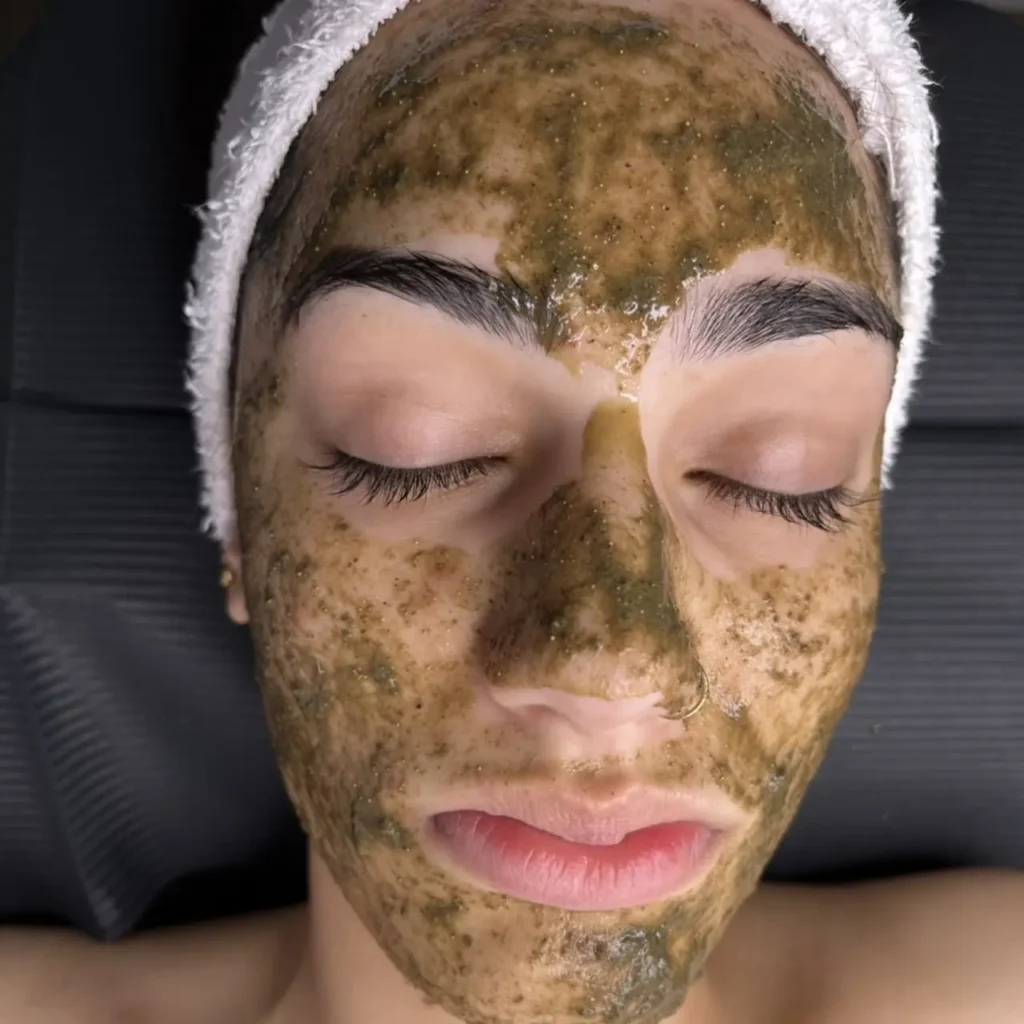
Know what to ask about shedding, skincare, exercise and shaving after laser hair removal, plus the reactions that need prompt attention.
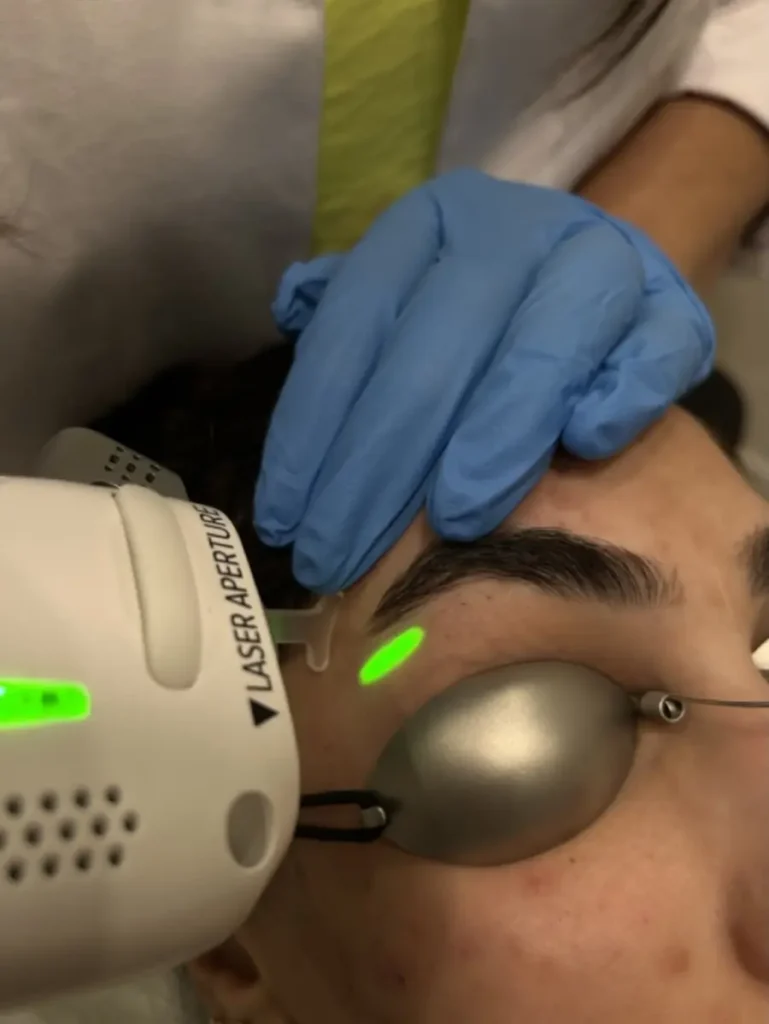
Your first laser hair removal session is finished, but the next few days still matter. The useful question is not whether you can return to every part of your normal routine immediately. It is how your skin is responding, and which activities or products could make that response harder to manage.
At Skinholic Aesthetics & Laser in Surrey, ask for written instructions for your treatment area before leaving. Keep the clinic’s contact details with them. This guide explains the questions worth asking and the changes worth noticing; your own aftercare plan should reflect the device, settings, area and skin assessment.
Before you leave, get a clear picture of normal
Ask your practitioner what they expect your skin to look and feel like later that day. Mild redness, warmth or swelling around hair follicles can happen after laser. The duration and degree vary. It is easier to recognise a problem when you have been told what is expected for your particular treatment.
Ask how to contact the clinic outside its usual hours and when medical attention is needed. Do not leave with only a vague instruction to call if something looks wrong. Knowing the difference between mild temporary irritation and a worsening reaction is part of understanding the treatment you have received.
Keep the first day uncomplicated
Follow the clinic’s advice on gentle cleansing, cooling and moisturising. Avoid rubbing the area or applying several unfamiliar products in an attempt to speed recovery. A cool compress may be suggested for comfort; ask how to use it safely rather than putting ice directly against your skin.
Choose comfortable clothing for body areas. A tight collar, waistband or rough fabric can be surprisingly irritating when it sits on freshly treated skin. For facial treatment, ask about makeup and shaving separately. Skin that looks calm in a mirror may still need a quieter routine for a while.
Workouts, hot showers and swimming need their own answers
Ask when you can resume exercise, use a sauna or steam room, take a hot bath, and swim. These activities involve different combinations of heat, friction and exposure. There is no reason to guess one universal waiting period from a social media post when your clinic can give area-specific advice.
Plan ahead if exercise is part of your daily routine. You might move a class, shorten an outing or choose something that does not rub the treated area. Do not use discomfort as a test of whether the skin can tolerate an activity. Wait until the advised interval has passed and the skin has settled.
Sun protection remains part of the plan
Freshly treated skin needs protection from sun exposure. Ask about broad-spectrum sunscreen suitable for the area, when to apply it, and practical clothing coverage. Follow product directions, including reapplication. Tanning beds are not a workaround, and a cloudy Surrey afternoon is not a reason to disregard the instructions you were given.
If you have a holiday coming up, tell the team before booking the next session. Be honest about likely outdoor time, not just your intention to avoid sunbathing. Hiking, beach days and long afternoons outside can affect the plan. The sensible appointment is one you can prepare for and recover from properly.
Let shedding happen without picking
Hair can appear to keep growing before treated hairs shed. That does not automatically mean the session failed. Ask what shedding may look like in your area and how long the clinic expects it to take. Avoid pulling hairs out to see whether the laser worked.
Do not scrub aggressively to hurry the process. If you are unsure whether you are seeing shedding, regrowth or irritation, send a clear photograph using the clinic’s preferred contact method. Include when treatment happened and what you have applied since. That gives the team something more useful than a description such as strange bumps.
Restart skincare in stages
Ask when exfoliating acids, retinoids, scrubs, deodorant and fragranced body products can return. The answer may differ between your face, underarms and legs. Do not assume a product is gentle simply because you used it comfortably before treatment. Skin tolerance can change temporarily after a procedure.
When the clinic says you can restart, keep track of what you introduce. If you use three strong products at once and develop irritation, it becomes harder to identify the cause. Follow advice from the prescriber for prescription products. Avoid making medication changes without the appropriate clinician’s guidance.
Shaving between sessions is a separate conversation
Ask when shaving can resume and whether your usual razor or technique needs changing while the skin settles. Shaving too soon over sore skin can add irritation. Waxing, threading and plucking remove hair from the root, which can interfere with the target needed for later laser sessions.
Tell the clinic if the main reason you started treatment was recurring ingrown hairs. Ask how to manage the interval without repeatedly inflaming the same area. Laser may help reduce future hair growth, but it does not make every bump an ingrown hair or replace assessment of painful, infected or persistent lesions.
Know when to seek help
Contact the clinic promptly about blistering, increasing pain, spreading redness, significant swelling or unexpected colour changes. Seek medical assessment for signs of infection or a severe reaction. Urgent eye symptoms after a laser procedure require urgent medical attention. Do not wait for a routine follow-up if something is getting worse.
Avoid experimenting with acids, bleaching products or leftover prescription creams to treat a reaction yourself. Tell the clinician when the symptoms began, how they have changed and which products you used. Photographs taken in similar lighting can help show progression, but they are not a substitute for in-person care when needed.
Judge progress over the course
Keep a simple record between appointments: how often you shave, where regrowth remains dense and whether bumps are becoming less frequent. These observations are more informative than checking for complete smoothness every morning. Hair grows in cycles, and a course allows different follicles to be targeted over time.
Ask when the team will reassess your response and whether maintenance might be needed. A fixed promise of permanent, total removal would ignore differences in hair colour, treatment area and individual biology. Good planning includes a point at which limited progress leads to a new conversation rather than automatic repeat sessions.
Make the follow-up useful
Write down questions when they occur rather than relying on memory at your next visit. Note which side or area reacted, whether clothing rubbed it, and how long the reaction lasted. If you were unable to follow an instruction, explain what happened. This is information the team needs to adjust advice, not something to hide. Ask for clarification if instructions conflict with another treatment you have booked, particularly a peel, facial, tattoo procedure or appointment involving the same skin.
Planning your next visit in Surrey
Before your next laser hair removal appointment, report any reaction, medication change or recent tanning. Book the interval recommended for your area rather than choosing dates purely for convenience. Skinholic Surrey is at 9332 120 St. Call 604-773-7579 or request a consultation if you need help planning treatment.
General education only. Follow your written aftercare and obtain medical help for concerning symptoms. Further reading: American Academy of Dermatology, Mayo Clinic and Leeds Teaching Hospitals: laser hair reduction.