Recurring bumps deserve more than another scrub. Understand the pattern behind ingrown hairs, review your shaving routine and recognise when medical assessment comes first.
The bumps return in the same places: under your jaw, along the bikini line or across your legs after shaving. You change razors, buy another scrub and try to leave the area alone, but the cycle keeps repeating. Before adding a stronger product, it helps to understand what an ingrown hair is and what else can look similar.
Ingrown hairs are one of the concerns listed by Skinholic Aesthetics & Laser in Surrey. Some people benefit from changing their hair-removal routine; others need medical assessment or want to discuss longer-term hair reduction. The right starting point depends on the bumps, your skin and how the area is being treated.
Why a hair can grow back into the skin
An ingrown hair happens when a hair curves into or grows beneath the skin instead of emerging normally. Shaving, waxing and tweezing can be involved. Curly or coarse hair is particularly prone to re-entering the skin, although anyone can develop an ingrown hair.
The result can be an itchy, tender bump, sometimes with a visible trapped hair. Repeated inflammation may leave darker marks. It is understandable to want the hair out immediately, but digging with tweezers or a needle can create another injury. A small bump is not a reason to perform a home extraction.
Notice the pattern before changing everything
Think about when the bumps appear. Is it the day after a close shave, several days after waxing, or unrelated to hair removal? Do they occur only where clothing rubs, or in several different places? These observations help a clinician or practitioner understand the problem.
For a week or two, keep a brief note of hair-removal methods, products and symptoms. You do not need an elaborate tracker. A few dated photographs and a note about discomfort are enough. Avoid testing several new products at the same time, because that makes reactions harder to interpret.
Review how close you are shaving
Shaving extremely close can encourage razor bumps in susceptible skin. The American Academy of Dermatology recommends paying attention to direction of growth, preparation and equipment. Shave in the direction the hair grows rather than repeatedly going against it to achieve the smoothest possible finish.
Use a suitable shaving cream or gel and avoid unnecessary repeat passes. Keep your razor clean and replace worn blades. If your skin cannot tolerate a close shave, discuss a guarded electric trimmer or taking a break. The aim is a routine your skin can tolerate, rather than the closest result at any cost.
Do not turn exfoliation into a daily battle
When bumps appear, it is tempting to scrub harder. That can leave already irritated skin sore and raw. Physical scrubs, brushes and several acid products used together are not automatically a better prevention plan. If a product stings or causes persistent redness, stop treating that response as proof it is working.
Ask a qualified clinician about suitable products if the problem keeps returning. Prescription treatments may be appropriate for some people, but a routine should be chosen after assessment. Avoid borrowing someone else’s antibiotic or steroid cream. A product that helped one person’s bumps may be wrong for yours.
Separate a trapped hair from a possible infection
Not every bump after shaving is an ingrown hair. Folliculitis, acne, irritation and other conditions can look similar. A visible hair does not tell you everything about the surrounding inflammation. Recurrent deep lumps, draining areas or bumps outside the usual shaving pattern deserve a medical opinion.
Seek medical assessment if an area becomes very painful, hot or swollen, if redness spreads, or if you feel feverish or unwell. Do not book an aesthetic procedure as a way to remove an actively infected bump. Let a clinician assess the immediate problem first.
Dark marks need a calmer starting point
The mark left after a bump settles may remain longer than the bump itself. Picking and repeated irritation can make the situation more difficult. Before choosing a brightening treatment, focus on reducing the cycle that keeps creating fresh inflammation. Otherwise, new marks may appear while old ones are being addressed.
Describe colour and texture separately at consultation. A flat brown mark, a raised scar and a tender lump are different findings. Ask whether your concern is suitable for cosmetic care or needs medical assessment first. Sun protection is relevant for exposed areas, and your plan should suit your skin tone and sensitivity.
Where laser hair reduction fits
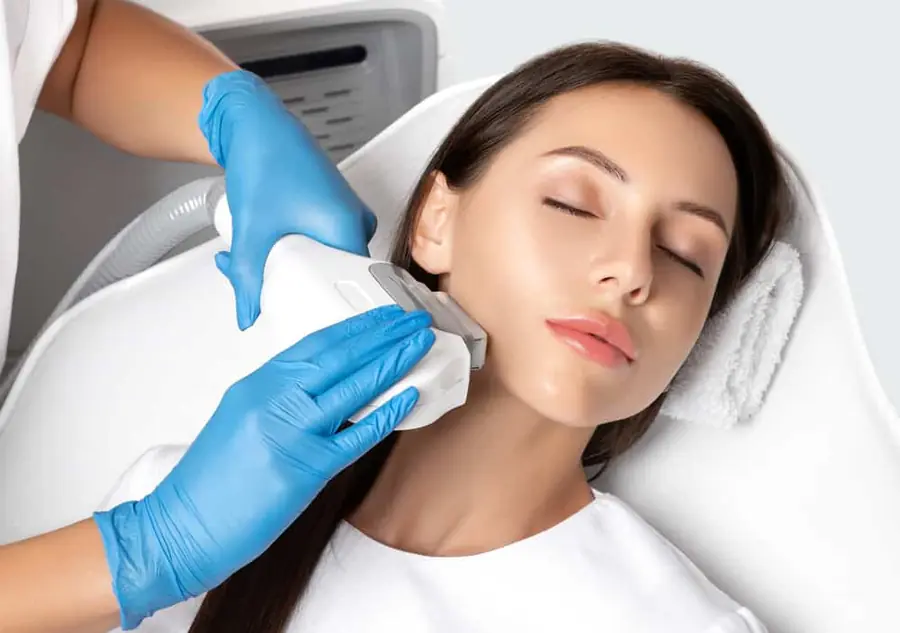
For suitable hair and skin, reducing future hair growth can reduce the need for close shaving. That is why laser hair removal may be discussed when ingrown hairs recur. It is a longer-term option, rather than an extraction treatment for a single painful hair.
Suitability depends on hair colour and thickness, skin tone, tanning, medication and the area. Very light or fine hairs may be poor targets. Ask which areas are appropriate, how your skin will be assessed, and what improvement is realistic. Laser is not a guarantee that every future bump will disappear.
Consider your routine before buying a course
If you are comparing laser with continued shaving or waxing, consider the whole routine. How often do you remove hair? How much irritation follows? Are appointments manageable around work, travel and sun exposure? These questions help you judge whether a treatment plan fits your life.
Ask for the proposed schedule and total likely cost, including review points and possible maintenance. Clarify what happens if the hair responds poorly. You should understand why the treatment is being recommended for your situation, rather than being asked to choose a package before anyone has examined the area.
What to bring to an assessment
Bring photographs showing a typical flare if the skin is clear on appointment day. List the razor, wax, cream and skincare products you use, along with medication and previous reactions. Mention any history of raised scars or dark marks after inflammation. Avoid arriving with skin you have scrubbed or picked just to make it look better.
Be clear about the outcome you want. Less pain, fewer bumps and less frequent shaving are useful goals even if you are not seeking total hair removal. Ask what can be managed with routine changes and what requires a different professional. Sometimes the best next step is medical care rather than an aesthetic treatment.
Give a new routine a fair review
Choose a practical date to review how your skin is doing, rather than switching methods after every shave. Look for fewer new bumps, less tenderness and fewer days when clothing feels uncomfortable. Keep the review simple enough to maintain. If the same painful areas continue despite gentler habits, arrange an assessment instead of adding more products. Bring the notes you have made, including changes that did not help. This makes the appointment more focused and gives the clinician a clearer picture of the problem between visits, when the skin may look different.
Getting help in Surrey
You can read Skinholic’s ingrown hair concern page and book a free consultation at 9332 120 St, Surrey. Call 604-773-7579 with questions about suitability. Painful, infected or unexplained lesions should be assessed medically before cosmetic treatment is considered.
General education only. Further reading: NHS ingrown hairs, Mayo Clinic symptoms and causes, AAD razor bump prevention and Mayo Clinic folliculitis.